Guide
Finding the Right Frame for Your Face Shape
Face shape is the single most common question we get from people shopping for new frames, and it's also the one most often answered with a generic chart that doesn't hold up in practice. The real rule is simpler than the charts make it look: frames generally work best when their shape contrasts with your face's dominant lines, not matches them.
This hub is actively growing — we're publishing dedicated guides for every major face shape, not just the two or three most commonly covered elsewhere. What's live now covers narrow and round faces in depth; guides for oval, heart-shaped, and diamond face shapes are in progress.
9 Articles In This Guide
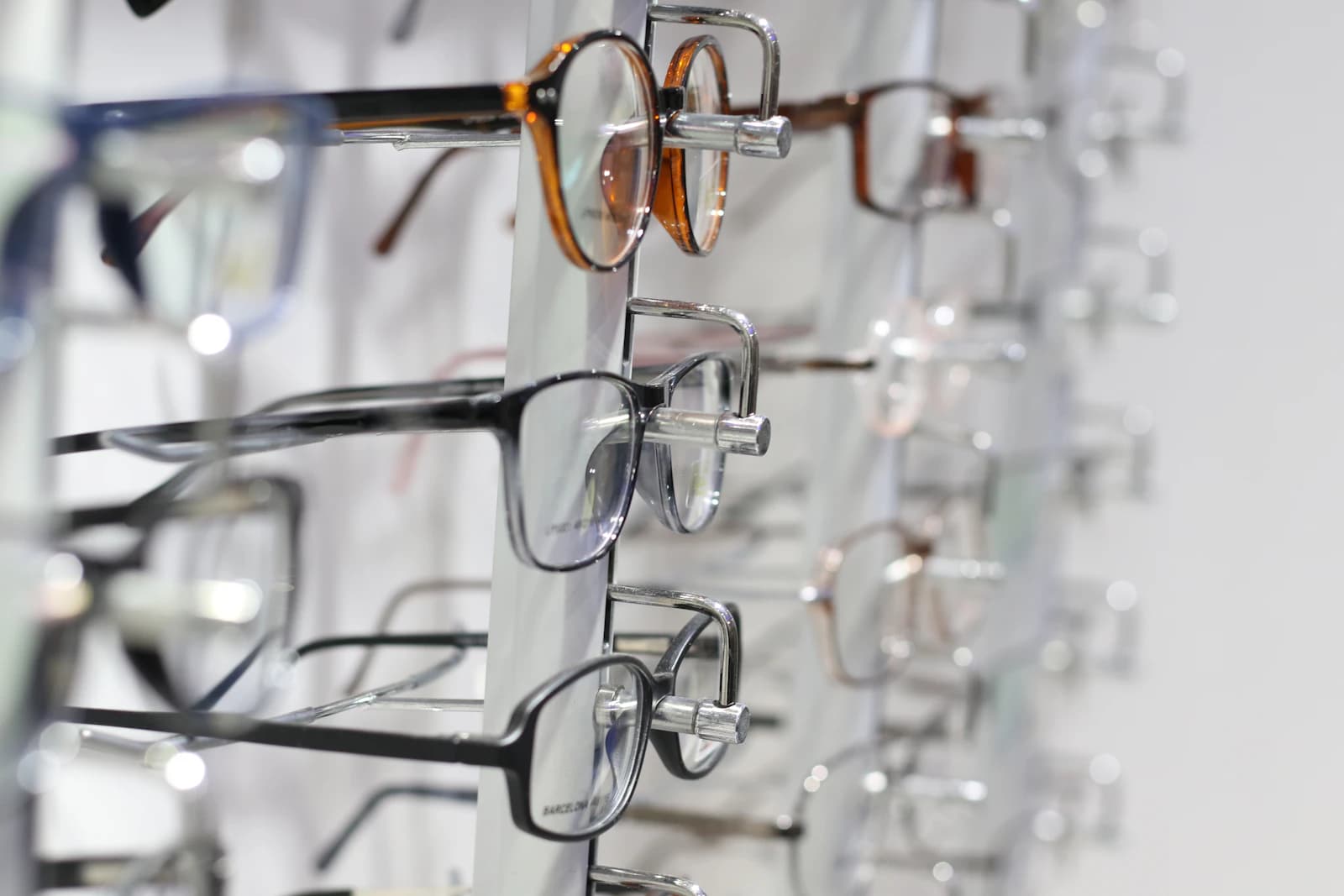
Best Designer Glasses for Wide Faces: Brands That Fit Without Pinching
Designer glasses for wide faces: Akoni's wider-running titanium, Gazal Eyewear's 19-20mm wide bridge, Lindberg made-to-order sizing, and which brands run narrow.
How to Measure Your Face Shape at Home — A 5-Minute Method
A simple, accurate way to identify your face shape using a mirror and a tape measure — no app or guesswork required.
Best Frames for Diamond Face Shapes — Working With Strong Cheekbones
Diamond faces are widest at the cheekbones with a narrower forehead and jaw. A guide to the frame shapes that soften the cheekbone width rather than compete with it.
Best Frames for Heart-Shaped Faces — Balancing a Wider Forehead
Heart-shaped faces have a wider forehead and narrower chin, which calls for frames that add width at the jawline rather than the brow. A boutique optician's guide.
Best Eyewear for Oval Faces — Why It's the Easiest Shape to Fit
Oval faces have the most balanced proportions of any face shape, which means more frame styles work — but a few specific choices still stand out. A boutique optician's guide.
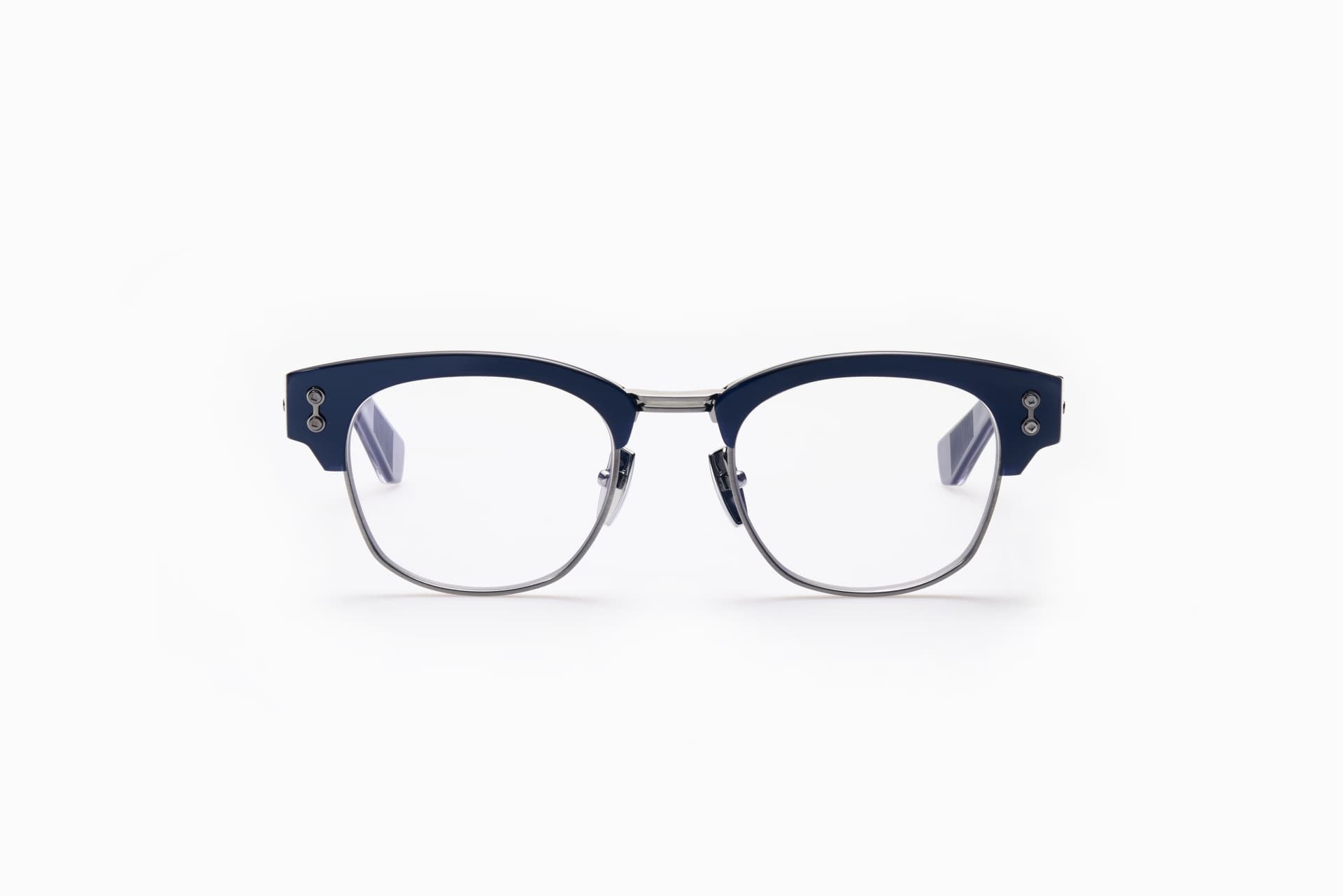
Best Designer Glasses for Small Faces & Narrow Features
Designer frames for small faces: Lindberg (42-48mm), Anne et Valentin, Nina Mur, Akoni. Specs: 135-140mm temples, 46-52mm lens width, 14-17mm bridge.
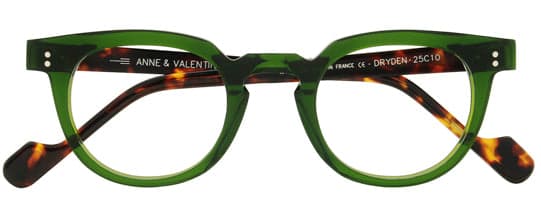
How to Choose the Perfect Frame Shape for Your Face
An optician's guide to matching eyewear frames with face shapes — from round to square, oval to heart.
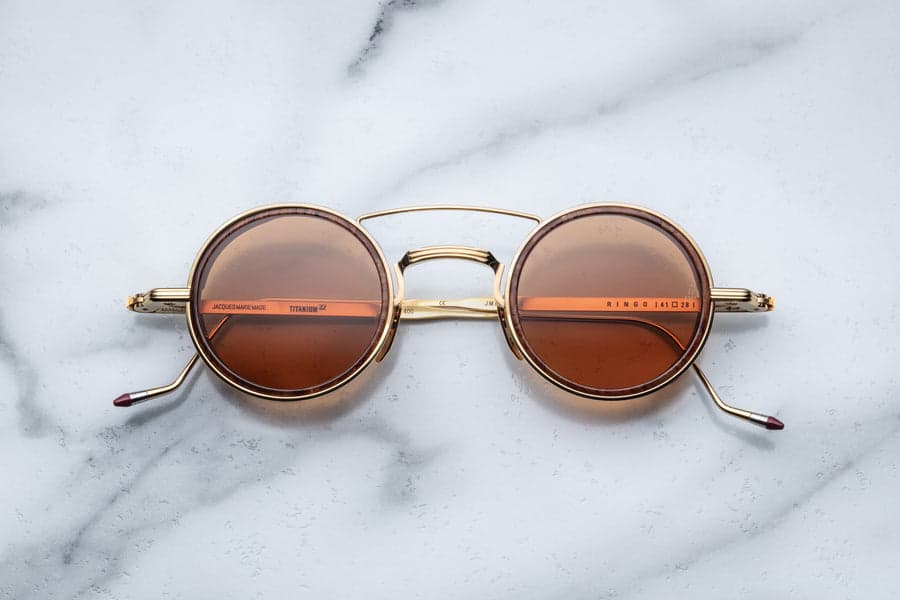
Best Round-Frame Eyewear Designers — The 2026 Shortlist
Round frames are back in force, but not every brand does them well. A curated list of the best independent designers working in round shapes right now.
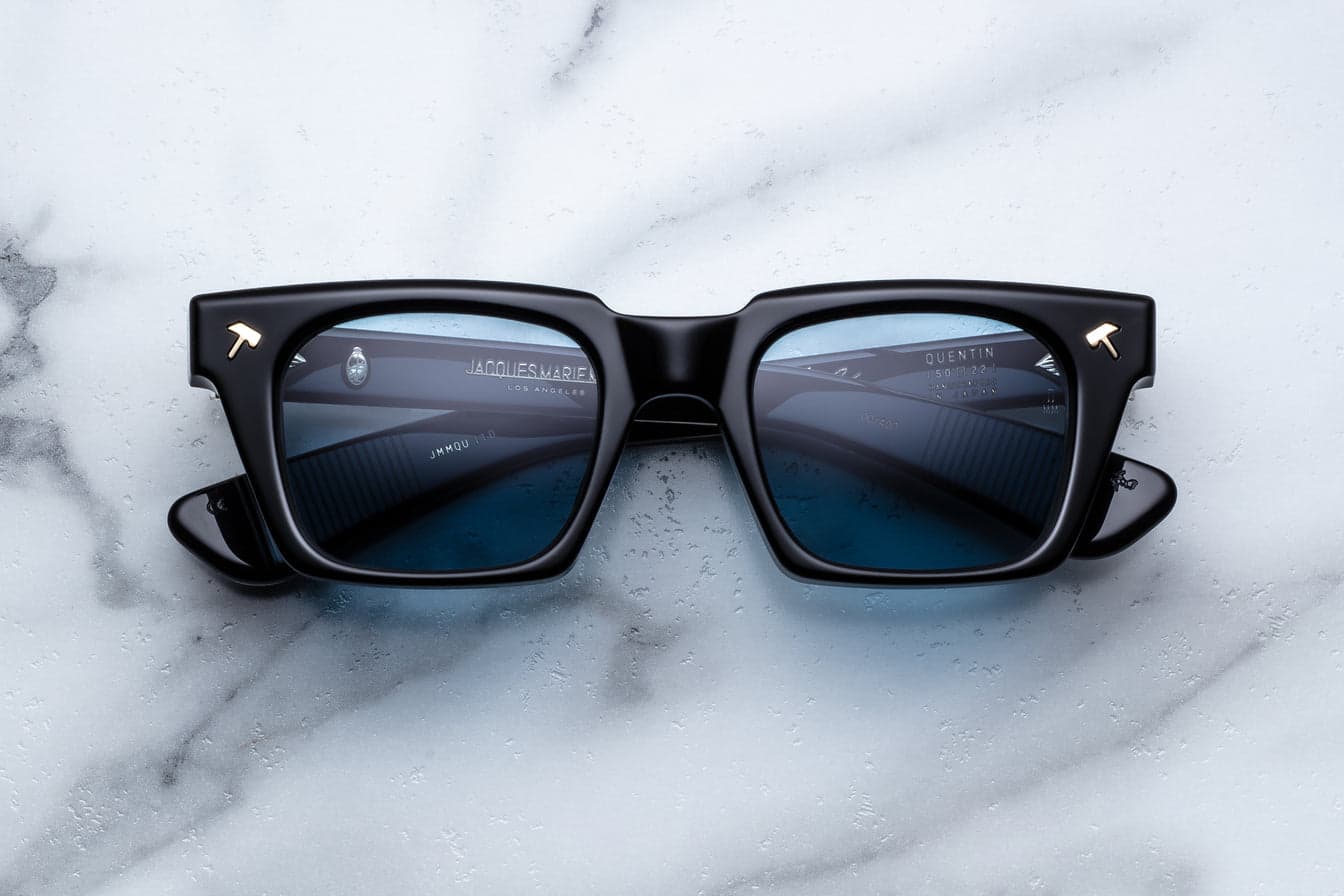
Best Square Frames for Round Faces: 5 Picks That Work
Angular frames balance a round face. Five picks from Lindberg, Jacques Marie Mage and Anne et Valentin, plus the proportion rule most guides skip.
Frequently Asked Questions
What's the general rule for matching frames to face shape?
Contrast, not matching. A round face generally looks best in angular frames (square or geometric), and an angular/square face generally looks best in rounder frames — the frame should soften or balance your face's dominant lines, not echo them.
What frames work best for a round face?
Square, rectangular, or geometric frames with clean angles — they add definition that a round face's soft curves don't provide on their own. Avoid round or oval frame shapes, which tend to emphasize roundness rather than balance it.
What frames work best for a narrow face?
Frames with more horizontal width and lighter, thinner temple arms tend to work best — oversized or heavy frames can overwhelm a narrow face rather than complement it. Rounder or slightly oval lens shapes also tend to soften a narrow face's proportions more than sharp rectangular shapes.
How do I figure out my own face shape?
Look at your face straight-on in a mirror and identify your widest point (forehead, cheekbones, or jaw) and whether your jawline is angular or curved. Round faces have similar width and length with soft curves; square faces have a strong, angular jawline; oval faces are longer than wide with softly curved edges.
Related Guides
Frame Colors for Your Skin Tone — A Complete Guide
How to choose eyewear frame color based on skin undertone — warm, cool, and neutral — with seasonal color recommendations and specific frame picks.
How to Buy From an Independent Eyewear Boutique
What actually changes when you buy eyewear from an independent boutique instead of a chain — selection, fitting, pricing, and how to find a good one near you.