
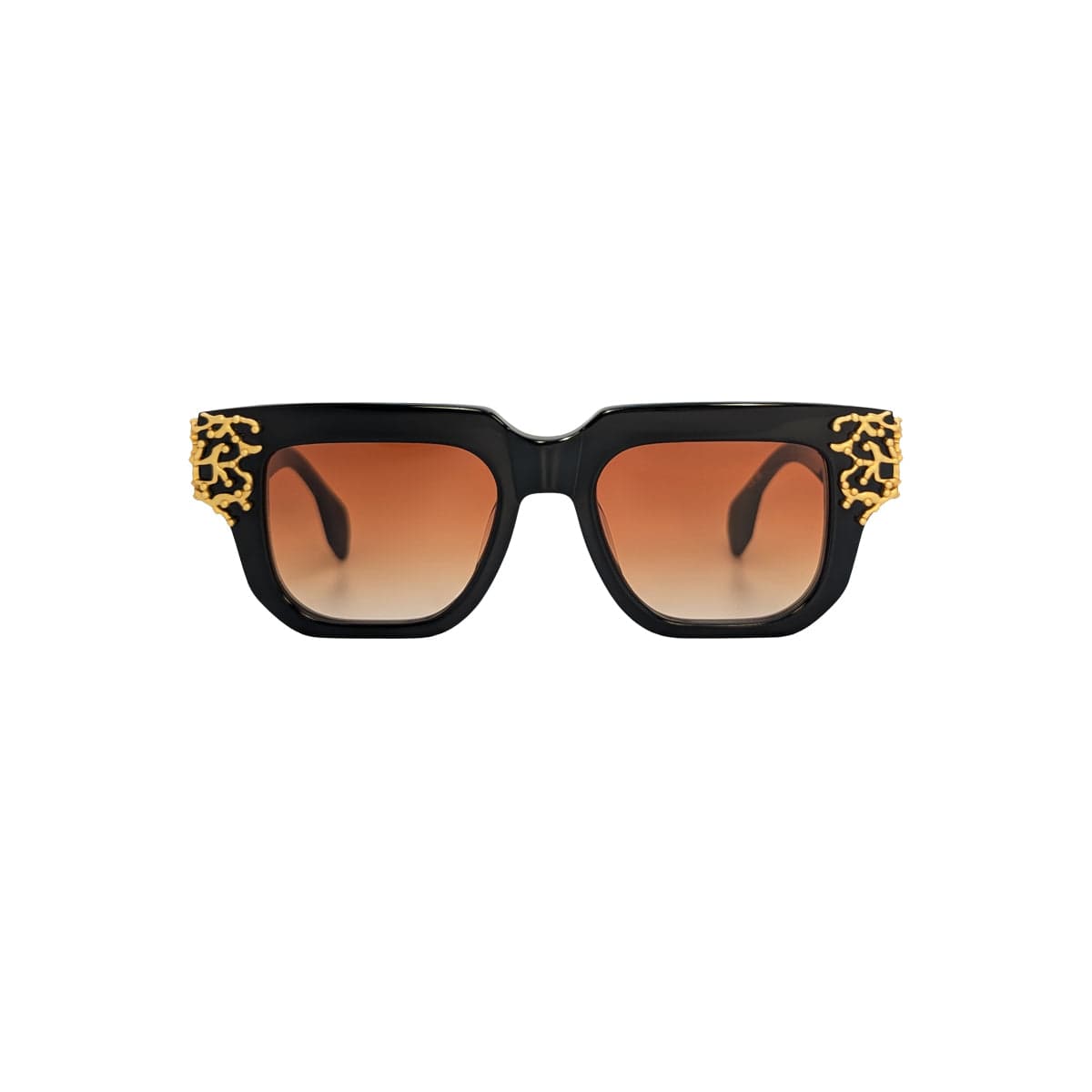
What "Independent" Actually Means
The word "independent" in eyewear carries real weight. It means the brand is not owned by or licensed through one of the large eyewear groups such as EssilorLuxottica, Safilo, Kering Eyewear or Thélios. It means design decisions are made by people who care about eyewear, not by holding companies optimizing a portfolio.
Gazal Eyecare operates as an independent optical practice and eyewear brand in Atlanta. What happens inside a practice like this looks nothing like what happens inside a corporate chain, and that difference shows up in every frame on the wall and every patient interaction.
Morning: Before the Doors Open
A day at an independent practice starts before patients arrive. The team reviews the schedule, but not just for volume. They look at who is coming in, what their history is, and what they might need. A patient coming for a routine exam who mentioned dry eyes six months ago gets a note. Someone picking up a new frame order gets a fitting slot blocked so there is no rush.
This is the kind of preparation that scales down, not up. A practice seeing 15-20 patients a day can do this. A chain pushing 60 cannot.
Inventory gets attention too. Independent practices curate their frame boards personally. The optician or owner selects every brand and every frame on display. At Gazal, that means a frame wall where each piece was chosen because it offers something specific: a distinctive color, an unusual material, a shape that fills a gap in the collection. Nothing is there because a corporate buyer made a bulk deal.
Midday: The Frame Selection Process
This is where independent practices diverge most dramatically from chains. Frame selection at an independent is closer to editorial curation than retail purchasing.
How Frames Get Chosen
The owner or lead optician typically attends trade shows like Vision Expo, visits independent brand showrooms, and maintains direct relationships with designers. The evaluation process considers:
Design integrity. Does the frame have a clear point of view? Is it well-proportioned? Does the design solve a problem or serve a specific wearer?
Construction quality. Hinge durability, acetate quality, metal finish, nose pad design. These get evaluated in person, not from a catalog photo. Temple flex, weight distribution, and how the frame sits on different face shapes all get tested.
Color and finish. This is where independents invest disproportionate attention. A good independent optician can look at a frame color and tell you exactly which skin tones it will complement. They build their frame boards like palettes, ensuring enough range to serve diverse complexions and style preferences.
Gap analysis. What is missing from the current selection? If the board is heavy on conservative shapes, something bolder gets added. If warm tones dominate, cool-toned options come in. The collection is always being balanced.
The Gazal Approach
Gazal Eyecare takes this a step further by developing their own eyewear line alongside carrying select independent brands. Designing in-house means control over every detail: the acetate sourcing, the color development, the hinge selection, the temple taper. When a patient needs something specific that the existing collection does not cover, that gap informs the next design cycle.
Afternoon: Fitting and Dispensing
The fitting process at an independent practice is unhurried by design. A proper frame fitting involves:
Measurement. Pupillary distance, segment height, vertex distance, pantoscopic tilt, face form angle. These measurements determine how lenses are cut and positioned. Errors here cause eyestrain, poor peripheral vision, and the persistent feeling that something is "off" about new glasses.
Adjustment. Every frame needs adjustment to the individual wearer. Temple angle, temple length, nose pad alignment, and frame curvature all get tuned. An experienced optician adjusts by feel, watching how the frame interacts with the wearer's specific facial geometry.
Education. This is the part that chains almost always skip. Why does this lens material matter for your prescription? What coating combination makes sense for your daily routine? How should you clean these frames without damaging the finish? Independent practices build time for these conversations because they view dispensing as a relationship, not a transaction.
Late Afternoon: The Business Nobody Sees
Running an independent eyewear practice involves a layer of work that patients never witness:
Lab coordination. Independent practices work with specialty labs that can handle complex prescriptions, premium lens materials, and custom tinting. Managing these relationships, tracking orders, handling remakes, and maintaining quality standards is a daily process.
Frame repairs and adjustments. Patients walk in throughout the day with frames that need nose pads replaced, temples tightened, or lenses re-secured. Most independents handle these on the spot, often at no charge. It is a service investment that builds loyalty.
Continuing education. Optical technology evolves constantly. New lens designs, new coating technologies, new frame materials. The team needs to stay current, not because someone mandated a training module, but because patients ask informed questions and deserve informed answers.
Community presence. Independent practices exist within their communities in a way chains do not. Sponsoring a local event, partnering with a school for vision screenings, participating in neighborhood business networks. These connections matter because independent practices depend on reputation, not foot traffic past a mall storefront.
Why This Matters to You
The behind-the-scenes reality of independent eyewear translates directly to your experience as a customer. When a practice curates instead of bulk-orders, you get better frames. When fittings are unhurried, you get better vision. When the team knows materials and coatings deeply, you get better recommendations.
None of this is accidental. It is the result of a business model that prioritizes quality over volume and relationships over transactions.
The Difference Is in the Details
The eyewear industry has a volume problem. The dominant players optimize for throughput: more frames sold, more exams completed, more insurance claims processed. Independent brands and practices optimize for something different: the quality of each individual interaction.
That difference is why independent eyewear exists, why it is growing, and why the people who discover it rarely go back.
Experience Independent Eyewear
Explore what the independent approach to eyewear looks like at The View Eyewear, and see the Gazal Eyewear collection for frames designed with this philosophy from the ground up.
Newsletter
Independent eyewear, in your inbox
Monthly stories on the world's finest independent eyewear brands and boutiques.
Related Reading
Gazal Eyewear Spotlight — Where Southern Craftsmanship Meets European Line
Gazal Eyewear blends premium Italian acetate with Southern craftsmanship and clinic-tested fit. Here's how the brand crossed state lines in 2025-2026.
The Craftsmanship Behind Gazal Eyewear — From Design to Frame
Discover how Gazal Eyewear blends Italian acetate, thoughtful design, and Georgia roots into frames that stand apart from mass-produced eyewear.
Gazal Eyewear: Where Bold Color Meets Southern Craftsmanship
Discover how this Georgia-based independent brand brings vibrant design and premium materials to the luxury eyewear scene.
Comments
0 comments · moderated
No comments yet. Be the first to weigh in.