Guide
Independent Eyewear Brands — Designer Spotlights & Comparisons
Every brand on this list is one we'd put in front of a customer without hesitation, and each spotlight goes past the marketing copy into what actually makes the brand distinct — country of origin, manufacturing process, price tier, and who it's genuinely right for.
Use this hub as a starting index if you know you want an independent brand but aren't sure which one fits your taste or budget, then read the specific spotlight or head-to-head comparison that matches what you're deciding between.
24 Articles In This Guide
Lunor Spotlight — The German Rimless House Built by an Antique Collector
Lunor's riveted, screw-free hinge and gold rimless frames trace back to one Stuttgart optician's collection of antique eyewear. Founded 1991, made in Germany's Black Forest, roughly $600-$1,000 retail.
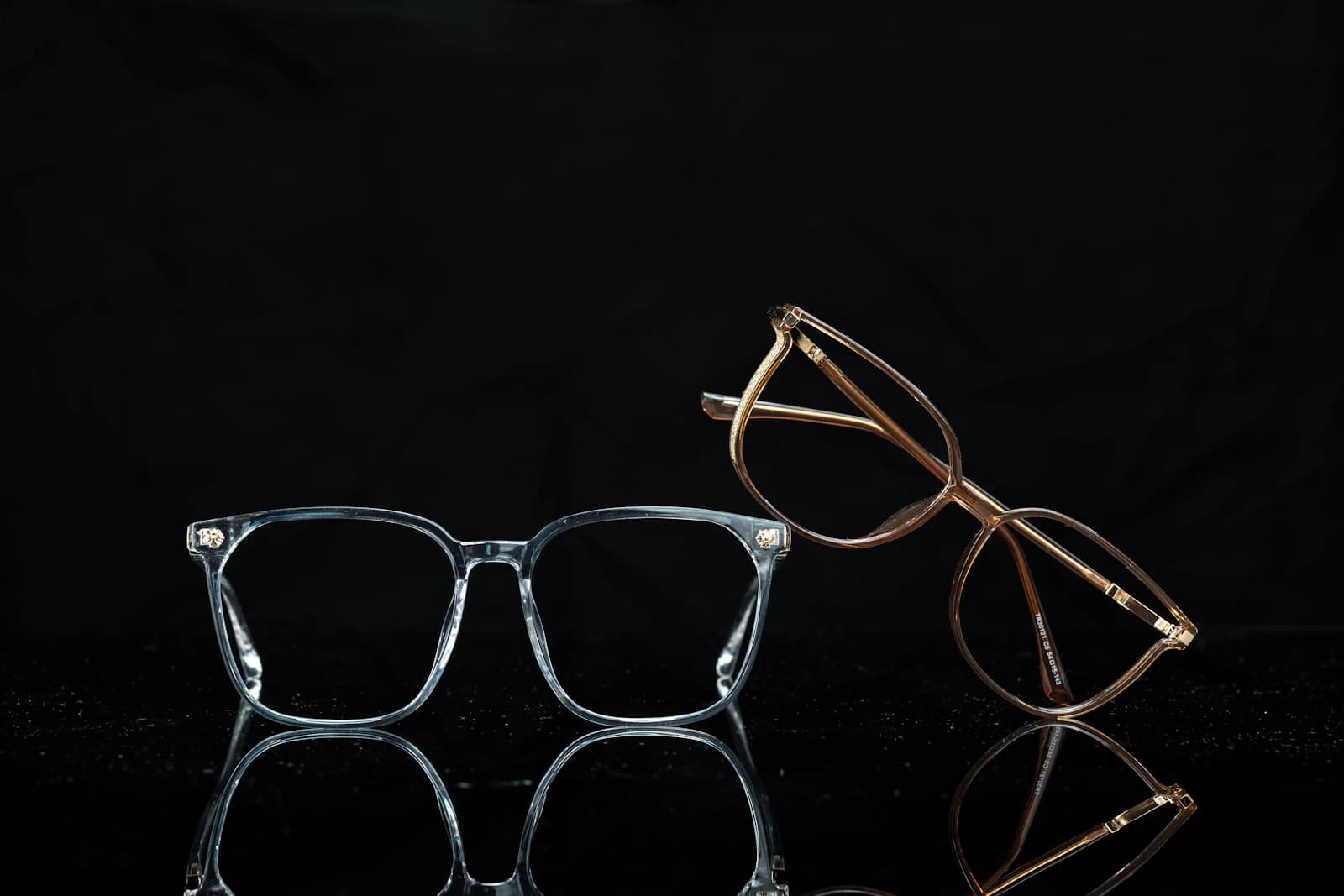
Brands Like Chrome Hearts: 7 Eyewear Alternatives for Metal, Heft and Rarity
Looking for eyewear like Chrome Hearts? Seven alternatives compared by what draws people to CH: precious-metal detail, heavy acetate, limited runs, and price.
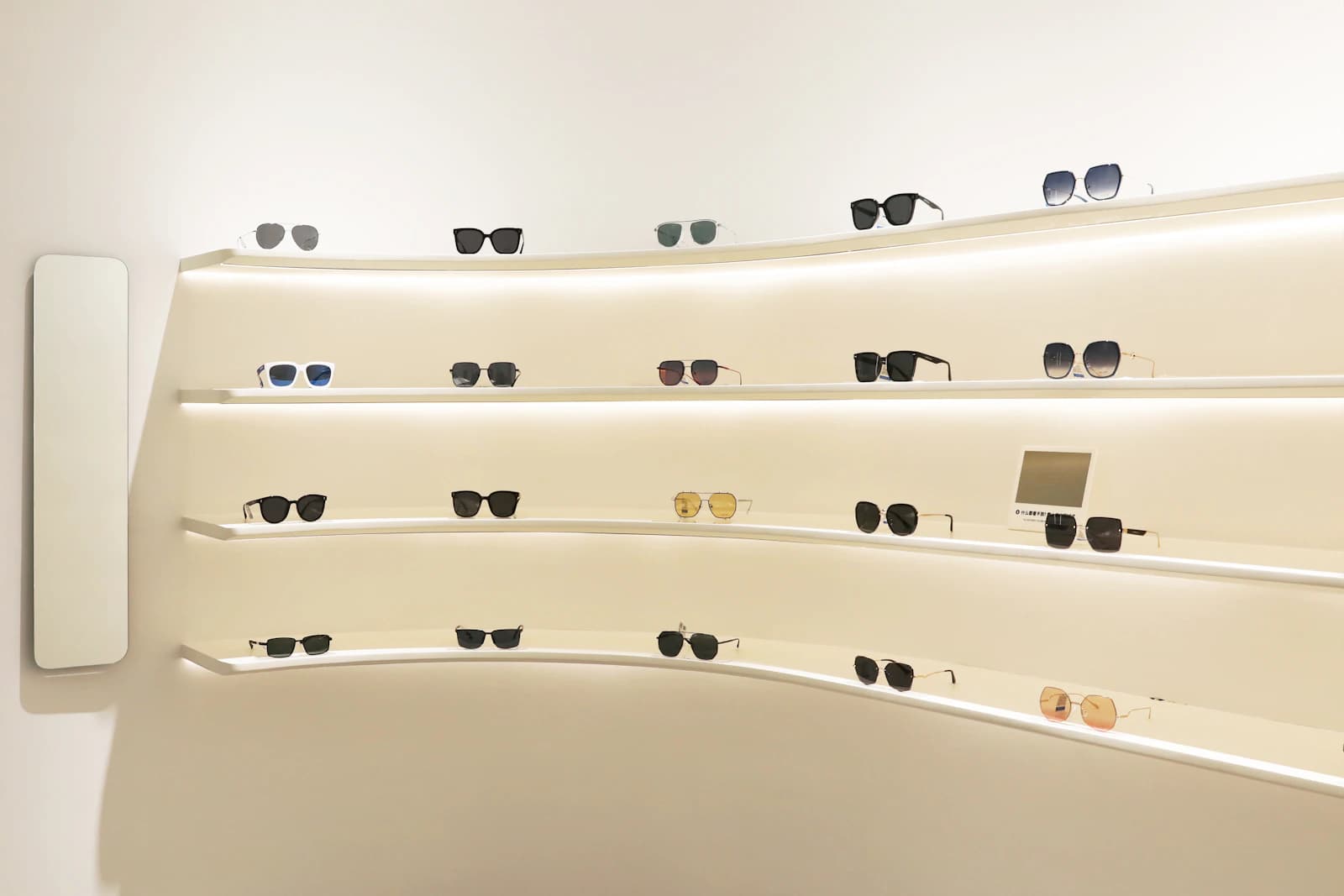
Best Luxury Sunglasses Brands of 2026: Lens-First Picks
The best luxury sunglasses brands for 2026, chosen lens first: Maui Jim for polarized glare control, Jacques Marie Mage and Akoni for frames, plus tint and VLT basics.
T Henri Spotlight — Florida-Based, Sabae-Made, Automotive-Inspired Luxury
T Henri builds ultra-limited eyewear — up to 199 pieces per colorway, numbered and certified — inspired by exotic supercars. Florida-based, Sabae, Japan production, roughly $700-$1,400 retail for most frames. Here's the real story.
Kuboraum Spotlight — The Berlin Mask Eyewear Made by Hand in Italy
Kuboraum turns eyewear into sculpture — thick, oversized acetate "masks" dreamed up in Berlin and hand-finished in a small workshop in northeastern Italy. Here's the real story, not the marketing gloss.
Rodenstock Progressives: Biometric Design at $450–$700
Rodenstock B.I.G. EXACT uses biometric eye scanning ($450–$700) — an alternative to Varilux and Zeiss for non-standard eye anatomy or failed adaptation.
The Rise of Japanese Eyewear Craftsmanship
Japanese eyewear has set the global standard for precision and quality. Here's how brands like Masunaga and Matsuda built that reputation and why it matters.
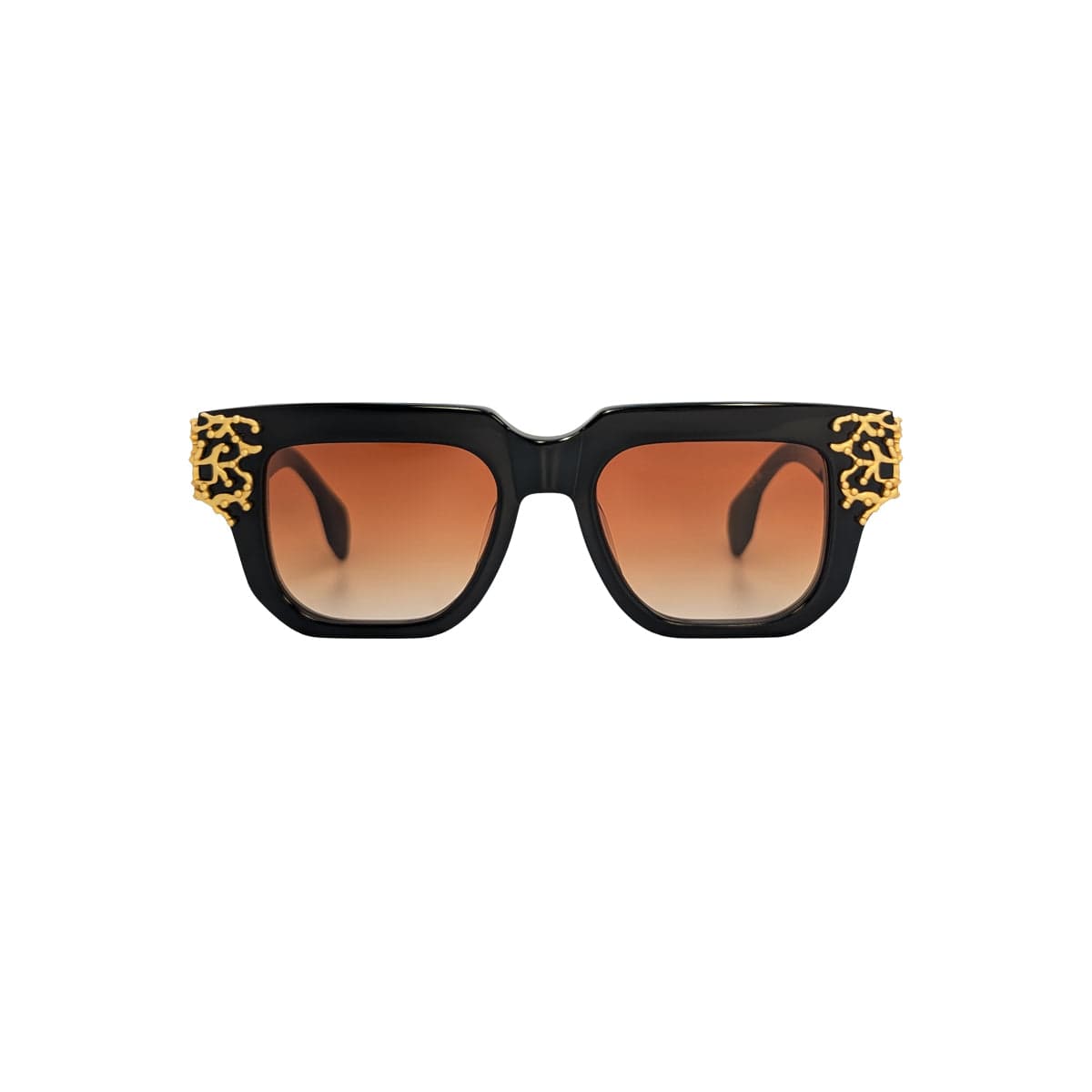
Behind the Scenes at an Independent Eyewear Brand
What actually goes into designing and running an independent eyewear brand? A look at the process behind Gazal Eyecare's approach to optical retail.
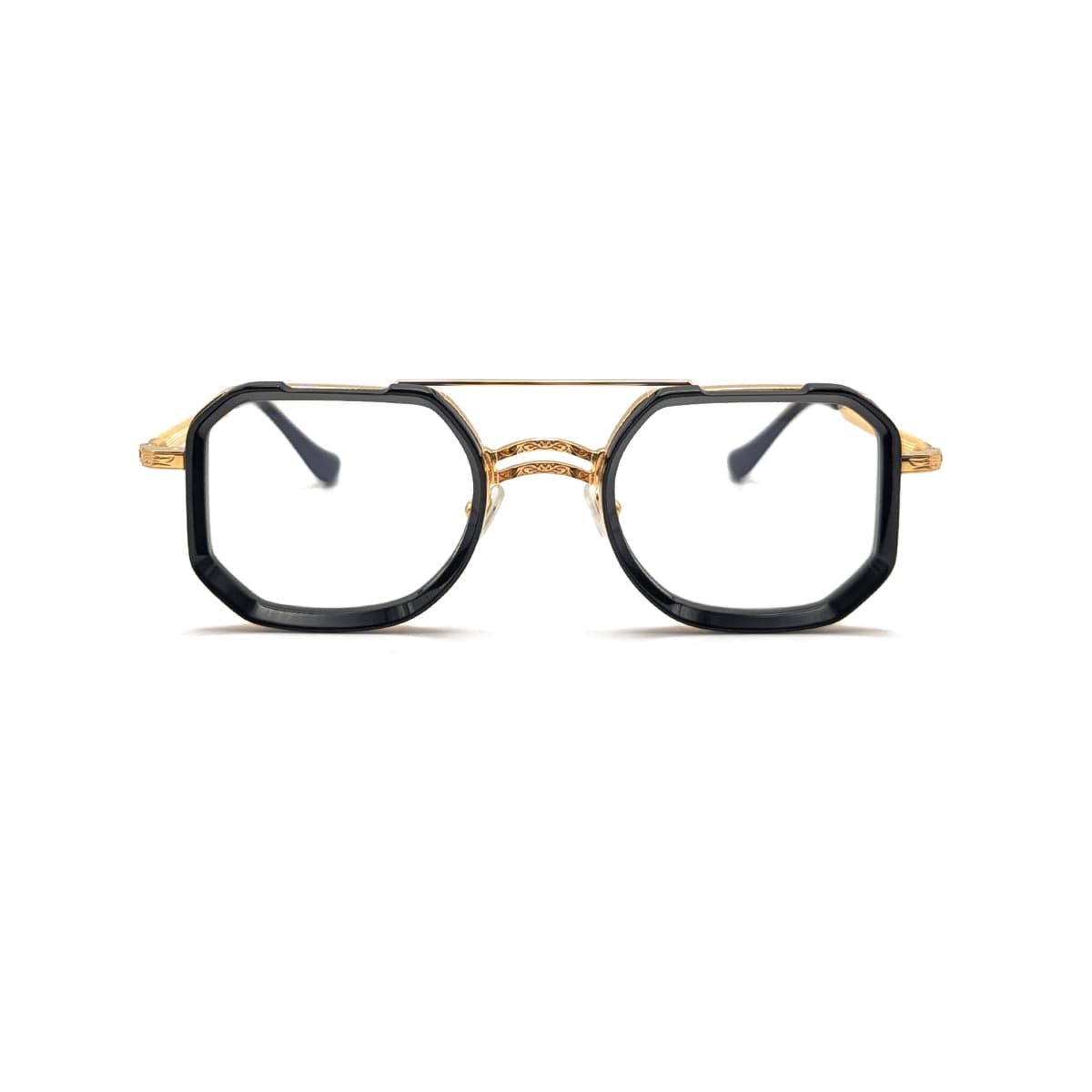
Gazal Eyewear Spotlight — Where Southern Craftsmanship Meets European Line
Gazal Eyewear blends premium Italian acetate with Southern craftsmanship and clinic-tested fit. Here's how the brand crossed state lines in 2025-2026.
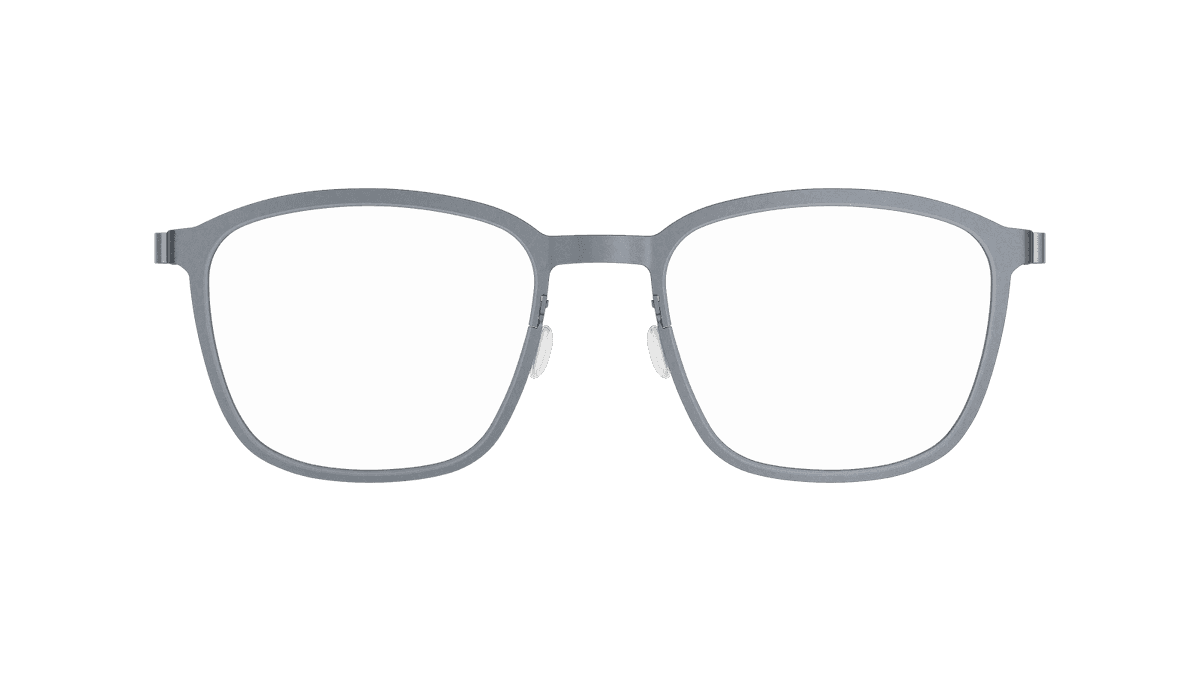
Best Titanium Frames Under $1,000 — Where Luxury Actually Begins
The honest map of titanium eyewear under $1,000: four brands that deliver real titanium between roughly $400-$950, one steel alternative, plus the price tiers to skip.

The Craftsmanship Behind Gazal Eyewear — From Design to Frame
Discover how Gazal Eyewear blends Italian acetate, thoughtful design, and Georgia roots into frames that stand apart from mass-produced eyewear.
Shamir Progressives: $450–$650 vs Varilux & Zeiss Compared
Shamir Autograph III costs $450–$650 and matches Varilux X and Zeiss Precision Pure ($600–$900 each) in adaptation rates, often at a lower price.
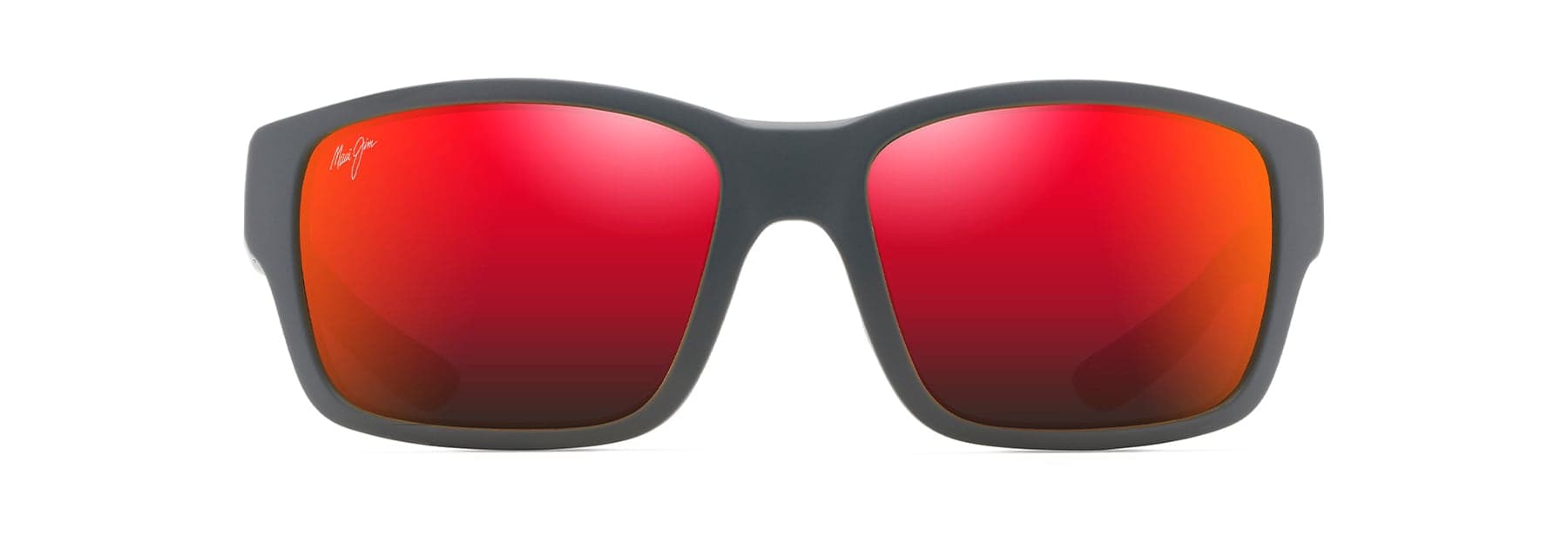
Maui Jim Spotlight — Polarized Lens Technology Born on a Hawaiian Beach
Maui Jim's PolarizedPlus2 is the reason fishing guides, pilots, and drivers wear the brand. Decades of lens R&D, roughly $199-$450 retail, and why the lens matters more than the frame.
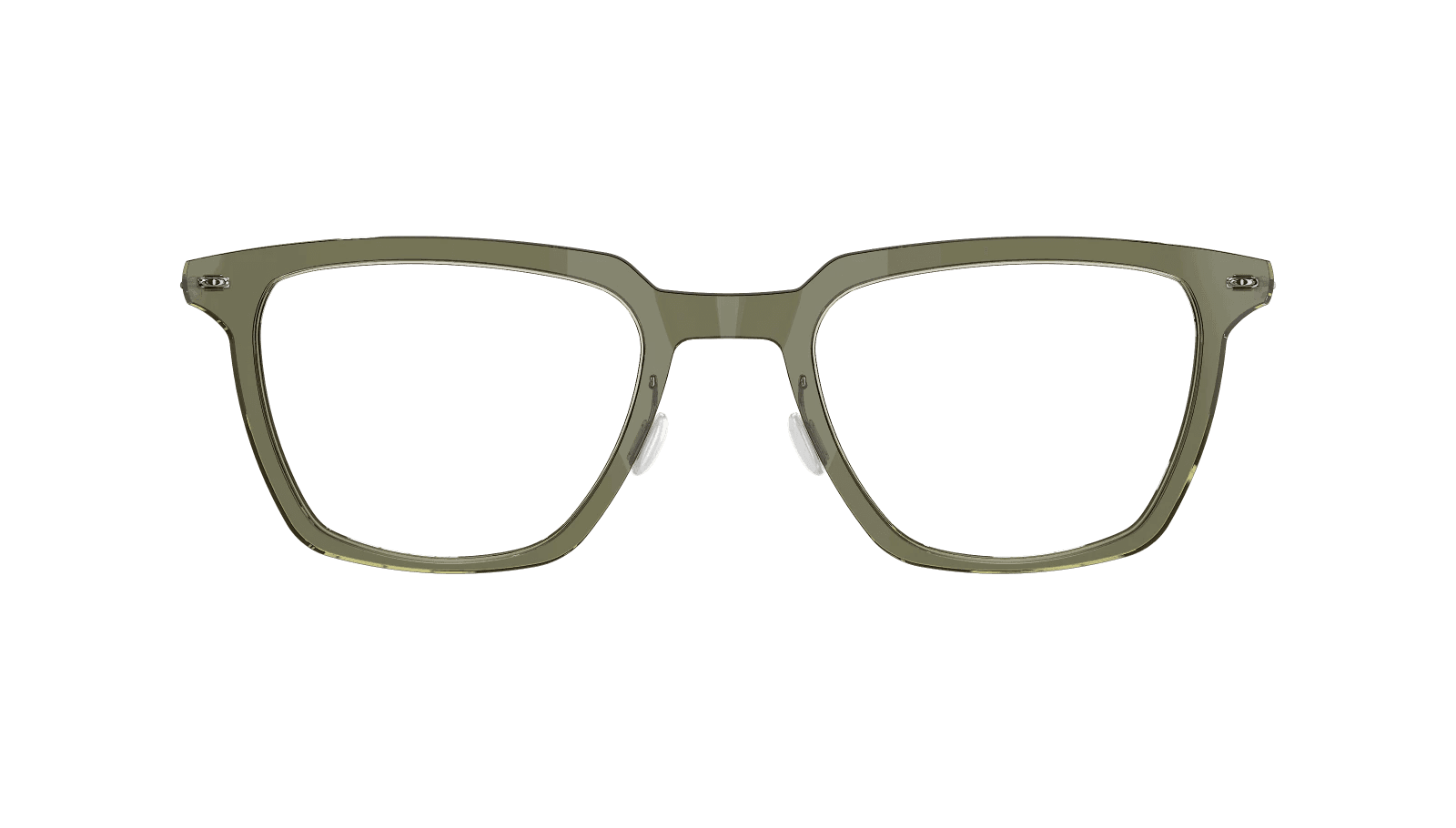
Lindberg Spotlight: Why Danish Titanium Became the Industry Benchmark
A deep look at Lindberg eyewear — the Aarhus-based brand whose screwless titanium frames weigh under 2 grams and set the standard luxury opticians measure against.

Gazal Eyewear: Where Bold Color Meets Southern Craftsmanship
Discover how this Georgia-based independent brand brings vibrant design and premium materials to the luxury eyewear scene.
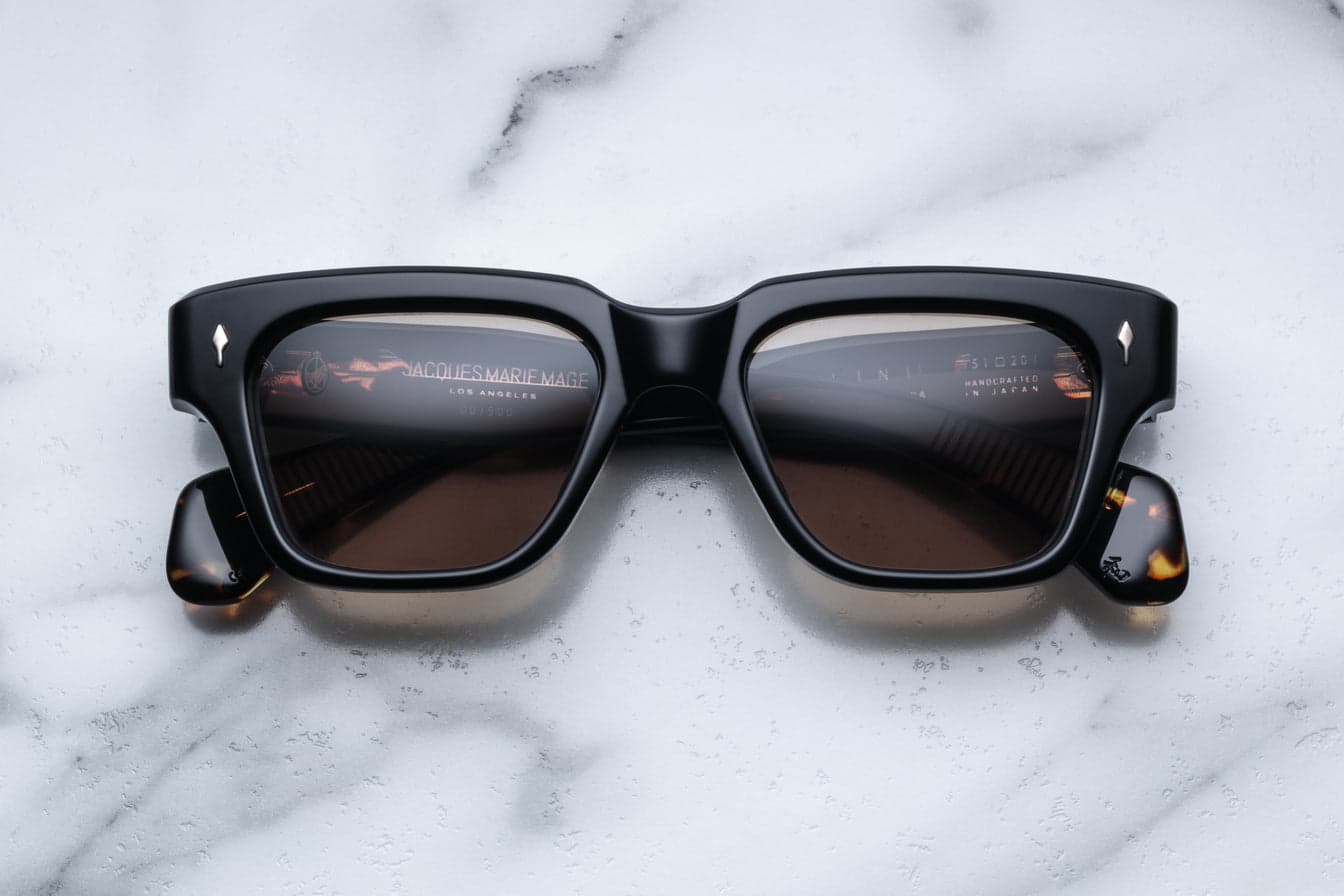
Best Luxury Eyewear Brands of 2026 — The Independent Designer Edit
The definitive 2026 guide to the best independent luxury eyewear brands — titanium, acetate, horn, and sterling silver, ranked by craft, material honesty, and boutique availability.
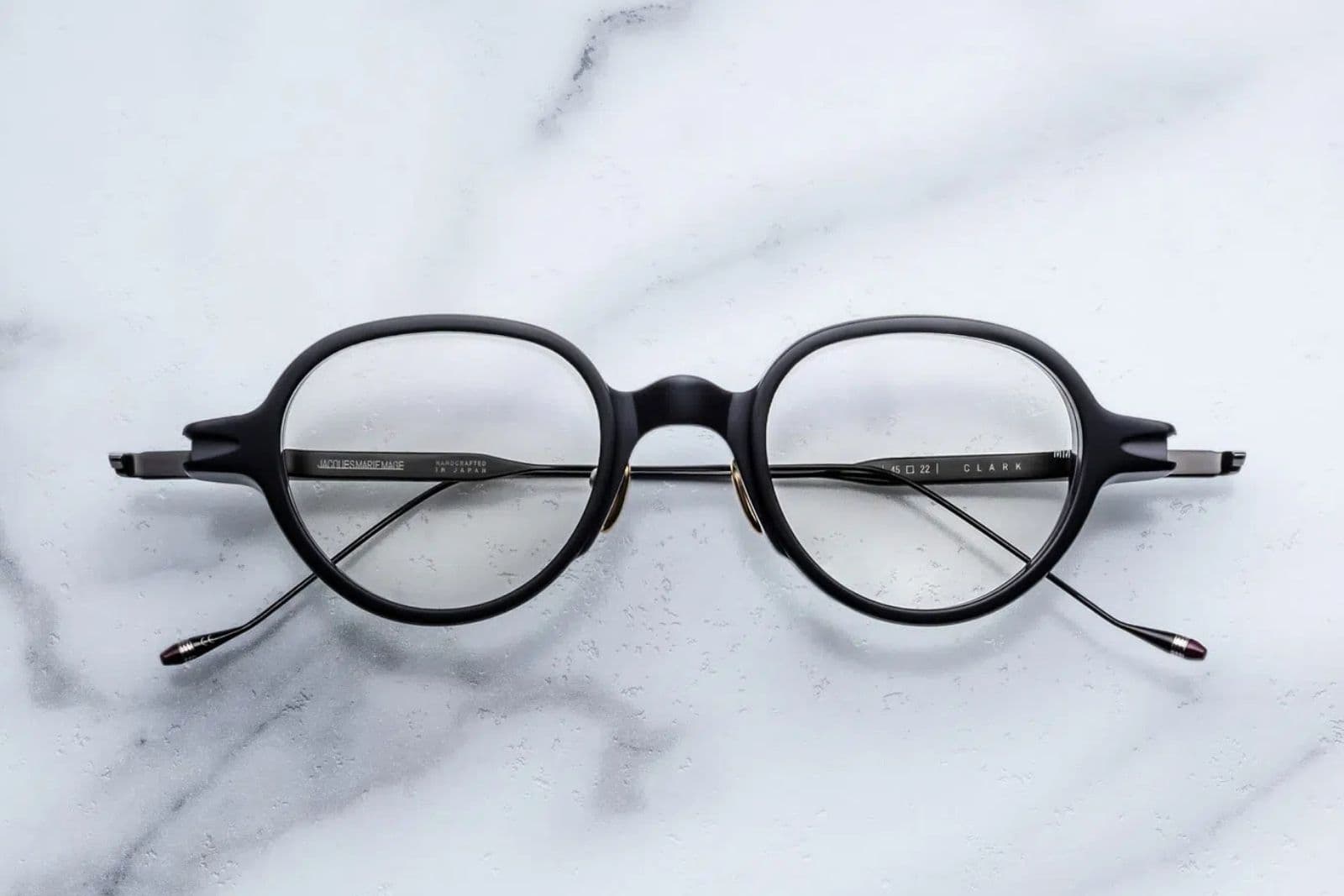
Buying Guide — Is $500+ Luxury Eyewear Actually Worth It?
A clinical-optometrist's honest guide to spending $500-$2,000 on eyewear in 2026 — what the premium actually buys, where the diminishing returns begin, and which tier is right for you.
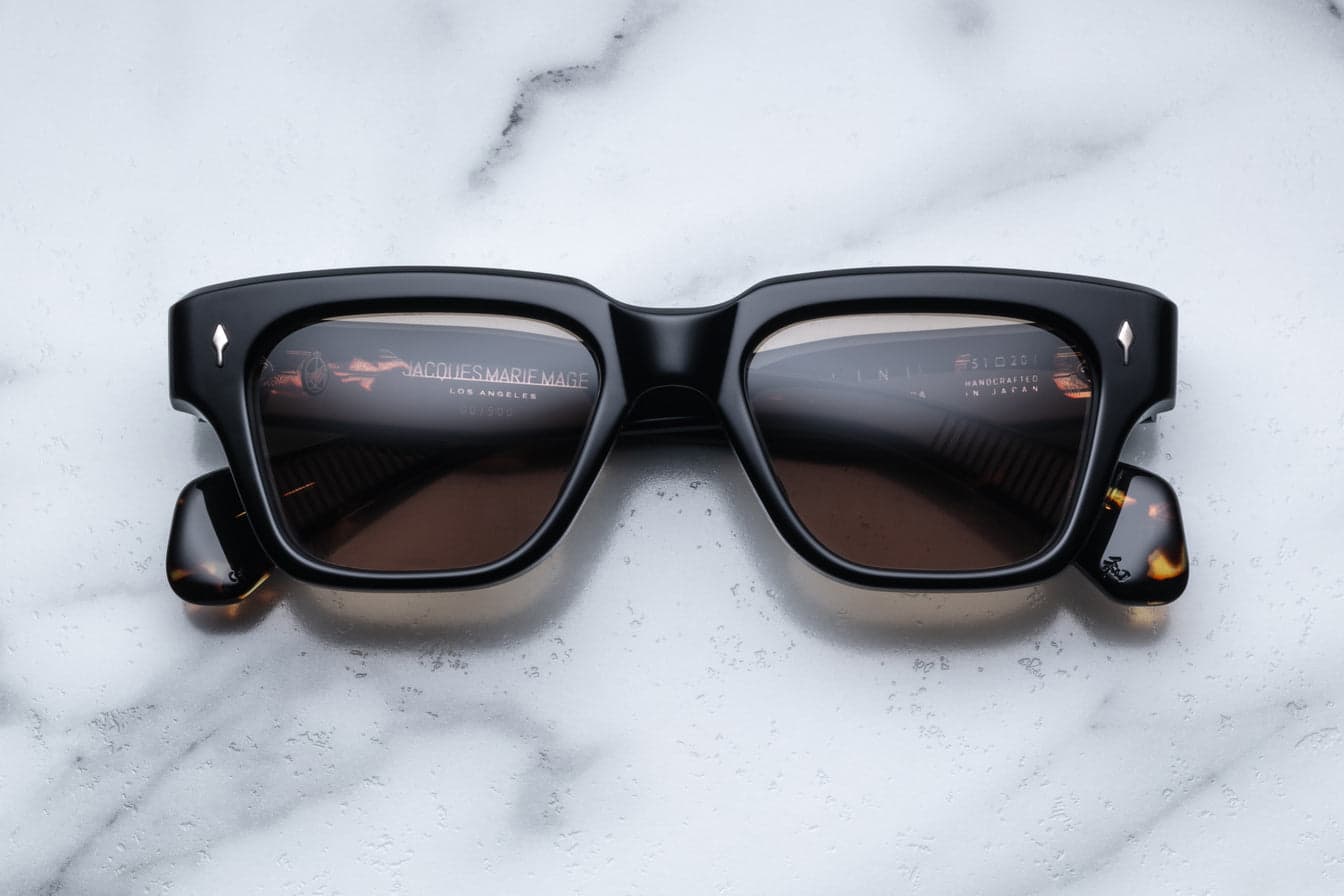
Lindberg vs Jacques Marie Mage vs DITA — The Independent Luxury Comparison
Lindberg, Jacques Marie Mage, and DITA compared head-to-head — titanium engineering, acetate rarity, and California-Japanese hybrid construction, with real prices and boutique-fitting notes.
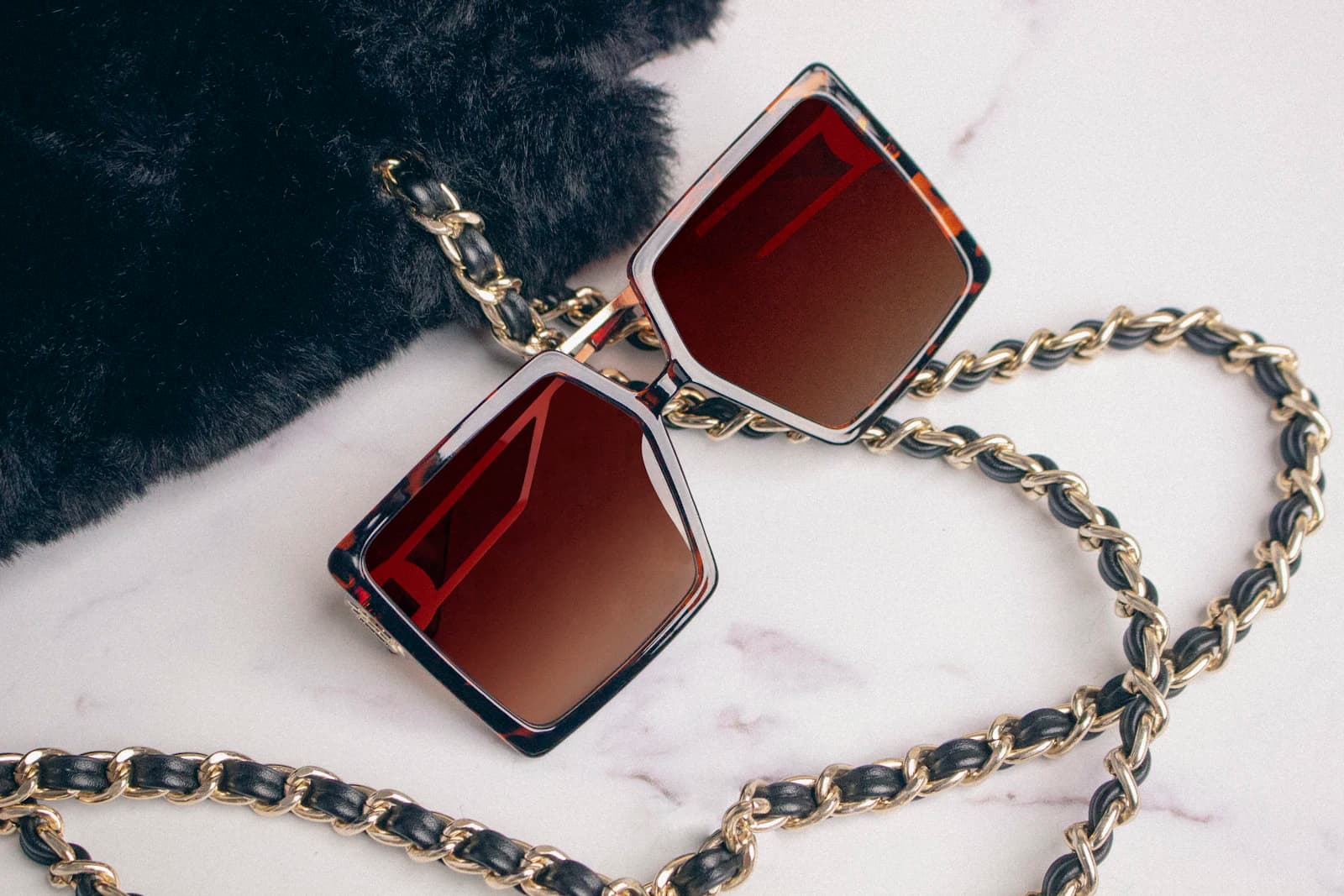
Chrome Hearts Glasses: 8 Models, Prices From $1,200 (2026)
Chrome Hearts optical runs $1,200-$3,500. See BJ, Bone Prone, Slag and Penetranus, plus the sterling-silver markers dealers check to verify authenticity.
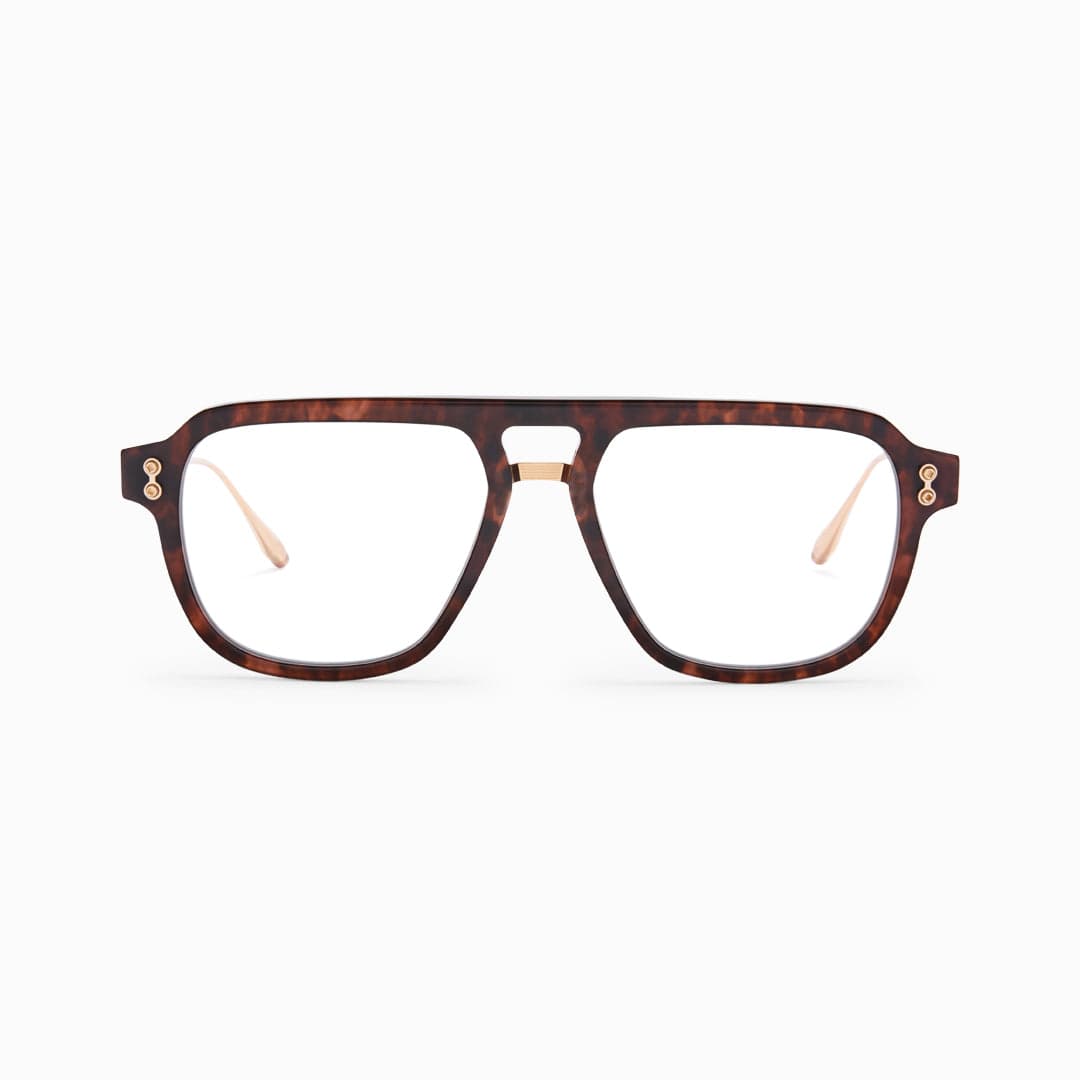
Akoni Spotlight — Quiet-Luxury Titanium from a Real Eyewear Industry Veteran
Akoni was founded in Lugano, Switzerland by Rosario Toscano (a former global managing director at DITA) and Salma Rachid. A few years in, it's quietly become a boutique-optical favorite for Japanese titanium.
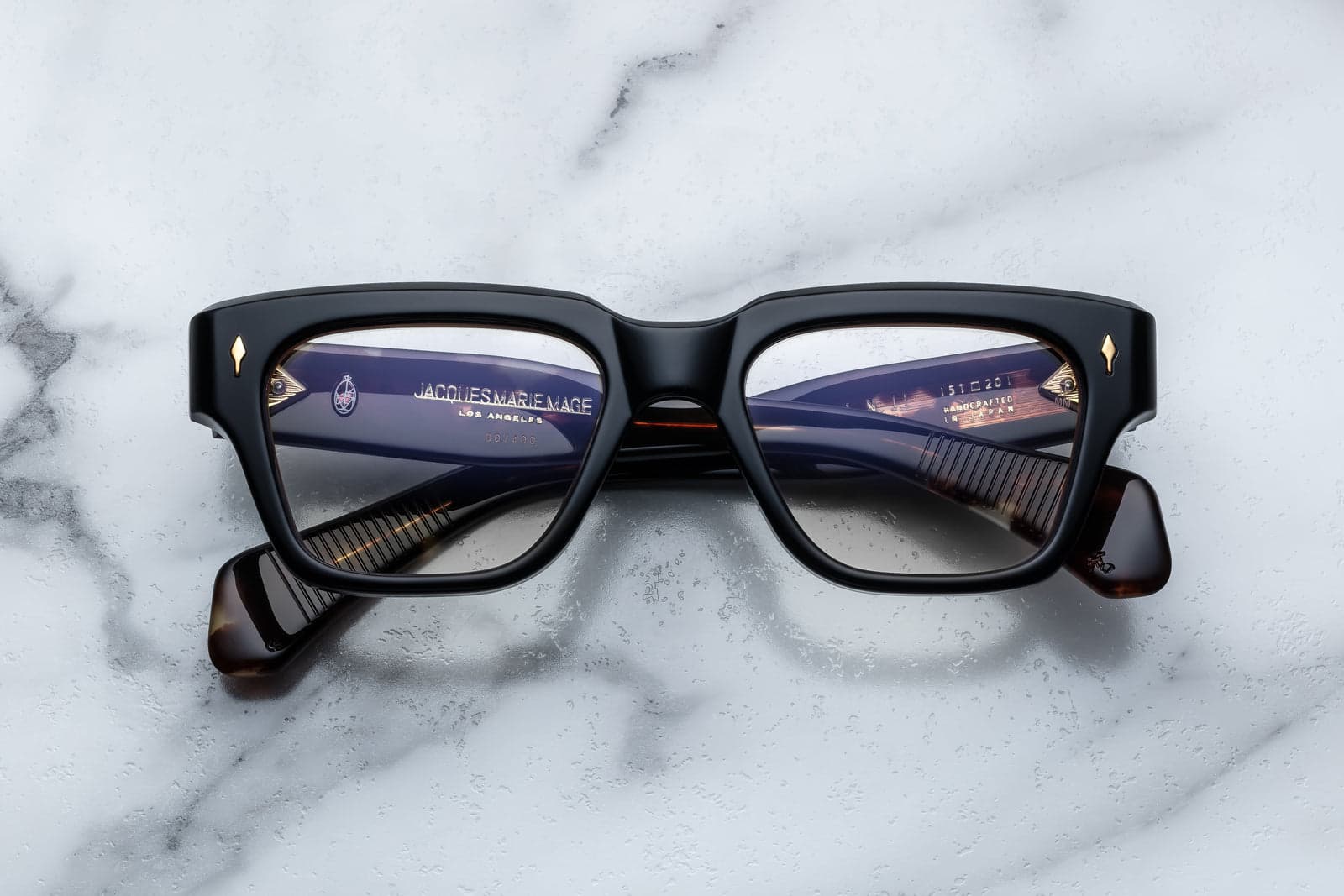
Jacques Marie Mage Glasses: Models and Prices (From $985)
Jacques Marie Mage optical frames start at $985, with core models $985-$1,385, made in limited runs. See signature models, prices and why rare ones resell.
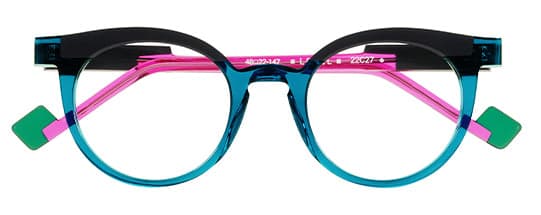
Anne et Valentin Spotlight — Toulouse Color Theory Worn Daily
Anne et Valentin has been making sculptural French acetate eyewear from Toulouse since 1984. Color combinations no other brand attempts, French Jura-region acetate, roughly $385-$715 retail.
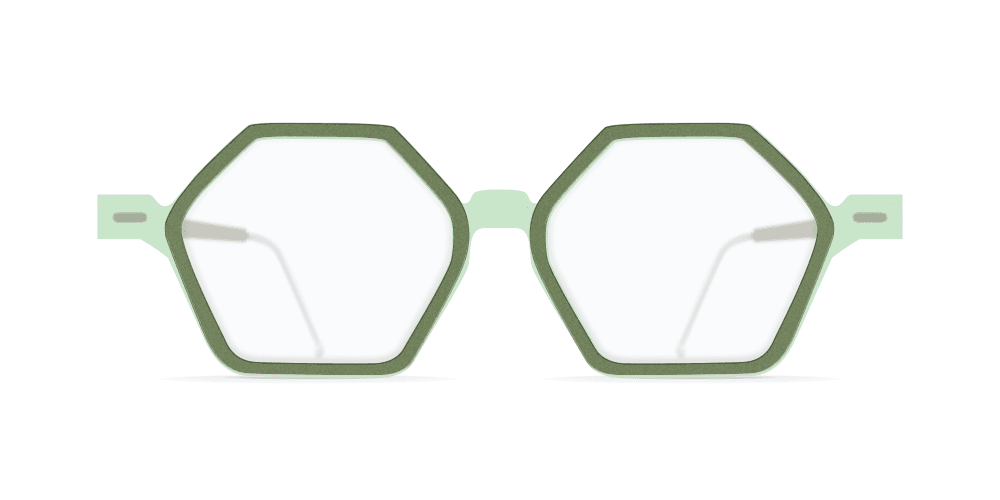
Nina Mûr Spotlight — Madrid-Crafted Wood Eyewear Worth Traveling For
Nina Mûr builds eyewear from laminated Finnish birch plywood, not acetate — hand cut, sanded, and finished in a Madrid studio. Founded 2018, about $360-$525 retail, and genuinely rare in US boutiques.
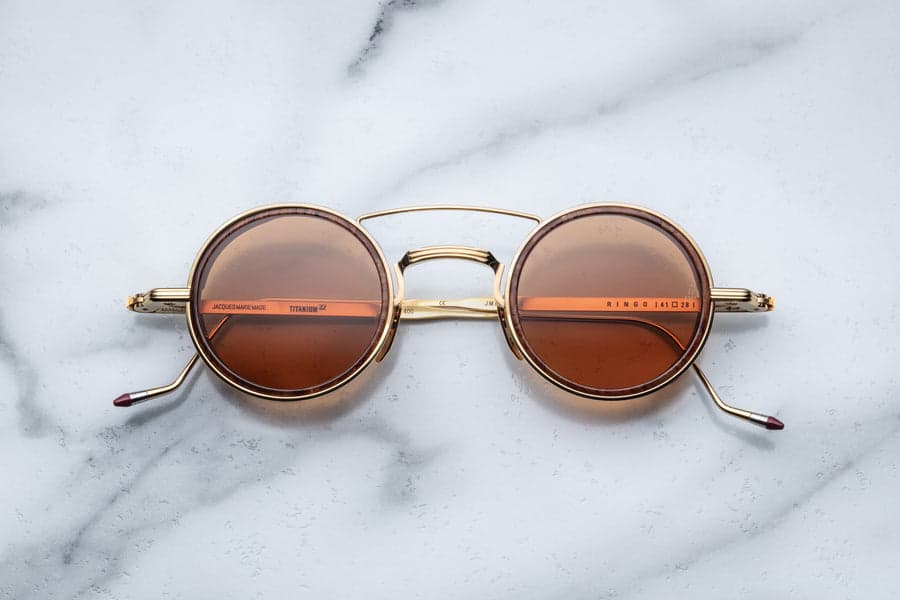
Best Round-Frame Eyewear Designers — The 2026 Shortlist
Round frames are back in force, but not every brand does them well. A curated list of the best independent designers working in round shapes right now.
Frequently Asked Questions
What makes a brand 'independent' in eyewear, versus a mass-market designer label?
Independent brands are typically owner-operated or small-house, designing and often manufacturing their own frames rather than licensing a fashion house name to a large eyewear conglomerate. That usually means smaller production runs, more design control, and materials/manufacturing choices driven by the brand's own standards rather than a licensing contract's cost targets.
Which independent eyewear brand is best for titanium frames?
Lindberg is the benchmark most of the industry measures against for pure titanium construction — screwless hinges, extremely light weight, and a design language that's stayed consistent for decades. Akoni is a strong quieter-luxury alternative at a lower price point, from a team with DITA's original design background.
Which independent brand is known for statement acetate frames?
Jacques Marie Mage, for cinematic, heavily detailed acetate work made in Los Angeles — it's the brand collectors reach for when they want a frame that reads as a design object, not just eyewear. Anne et Valentin, from Toulouse, is the pick for color-forward acetate with a lighter, more wearable daily profile.
Are independent eyewear brands worth the price difference over mass-market designer frames?
For most of the brands we cover, yes — the price premium tracks to real differences in materials and manufacturing, not just branding. The exception is buying purely for a logo; if that's the goal, a licensed mass-market designer frame will satisfy it more cheaply than an independent house will.
Related Guides
Titanium vs. Acetate — A Guide to Luxury Eyewear Frame Materials
What actually separates titanium, acetate, and the boutique brands built around each — weight, durability, color depth, and how to choose the right material for your face and lifestyle.
How to Buy From an Independent Eyewear Boutique
What actually changes when you buy eyewear from an independent boutique instead of a chain — selection, fitting, pricing, and how to find a good one near you.
Best Independent Eyewear Boutiques by City
City-by-city guides to the independent eyewear boutiques worth visiting — curated picks across major U.S. markets, updated for 2026.