
Guide
Titanium vs. Acetate — A Guide to Luxury Eyewear Frame Materials
Frame material decides more about how your glasses feel and hold up than almost any other spec on the page. Titanium and acetate are the two real choices at the independent-boutique level — everything else (stainless steel, TR-90, mixed metal) is either a budget substitute for one or the other, or a niche material a handful of brands build a whole identity around.
This hub collects our material-specific guides and the brand spotlights that double as material case studies — Lindberg for what benchmark Danish titanium actually looks like, Jacques Marie Mage and Anne et Valentin for what hand-finished acetate can do that injection-molded plastic can't. If you're choosing between a $600 titanium frame and a $600 acetate one, the honest answer is that they solve different problems, and this is where we lay out which.
19 Articles In This Guide
Akoni vs Masunaga — Two Very Different Takes on Japanese Titanium
Akoni is a Swiss-branded newcomer using precision Japanese titanium. Masunaga is the 120-year-old Sabae house that helped build the industry Akoni sources from. Here's how they actually compare.
Gazal Eyewear vs Jacques Marie Mage — Which Independent Is Actually Worth It?
Both work in premium Italian acetate. Gazal runs $400-$1,200, JMM optical starts at $985. A practitioner's honest comparison of Gazal Eyewear and Jacques Marie Mage — design, fit, and where each one actually wins.
Kuboraum Spotlight — The Berlin Mask Eyewear Made by Hand in Italy
Kuboraum turns eyewear into sculpture — thick, oversized acetate "masks" dreamed up in Berlin and hand-finished in a small workshop in northeastern Italy. Here's the real story, not the marketing gloss.
Kuboraum S-Series: Sculptural Eyewear Redefined
Kuboraum's S-Series represents a sophisticated evolution of the brand's signature aesthetic. While unmistakably avant-garde, these frames combine

Sustainable Eyewear: How Independent Brands Lead in Eco-Conscious Design
Independent eyewear brands are driving sustainability in an industry built on planned obsolescence. Here's how they're doing it and why it matters.

The Rise of Japanese Eyewear Craftsmanship
Japanese eyewear has set the global standard for precision and quality. Here's how brands like Masunaga and Matsuda built that reputation and why it matters.
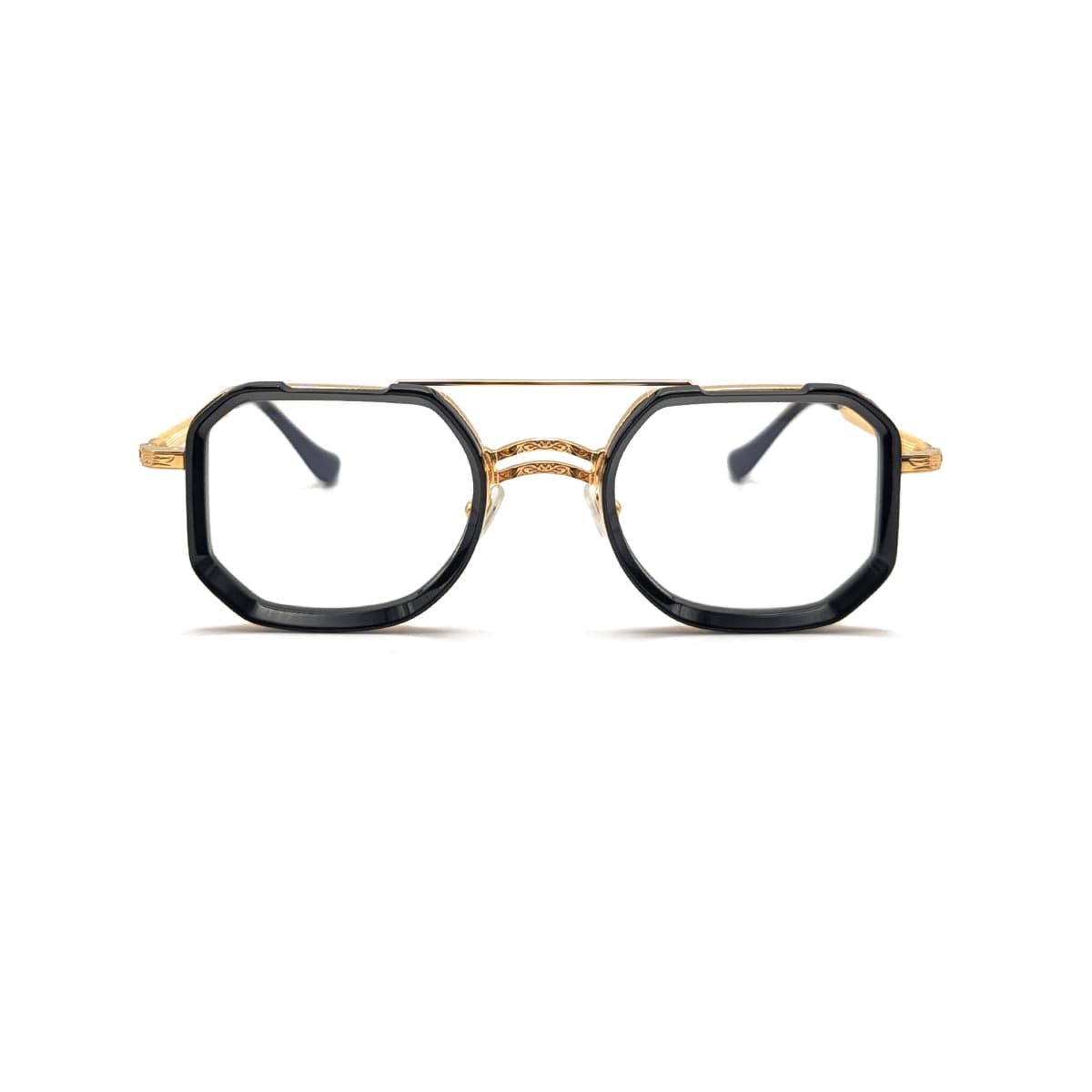
Gazal Eyewear Spotlight — Where Southern Craftsmanship Meets European Line
Gazal Eyewear blends premium Italian acetate with Southern craftsmanship and clinic-tested fit. Here's how the brand crossed state lines in 2025-2026.

Best Titanium Frames Under $1,000 — Where Luxury Actually Begins
The honest map of titanium eyewear under $1,000: four brands that deliver real titanium between roughly $400-$950, one steel alternative, plus the price tiers to skip.
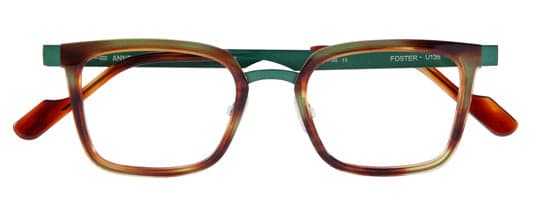
Best Fall Frame Tints for Warm Skin Tones — The Honey, Cognac, and Amber Playbook
Warm skin tones shine in fall tortoises. A fitting-counter guide to honey, cognac, and amber acetates — plus the mid-tone shade most people overlook.

Titanium vs Acetate Glasses Frames: Weight, Comfort, Style
Titanium frames are lighter and more flexible than acetate — acetate offers deeper color and warmth instead. Here's how the two actually compare.

The Craftsmanship Behind Gazal Eyewear — From Design to Frame
Discover how Gazal Eyewear blends Italian acetate, thoughtful design, and Georgia roots into frames that stand apart from mass-produced eyewear.
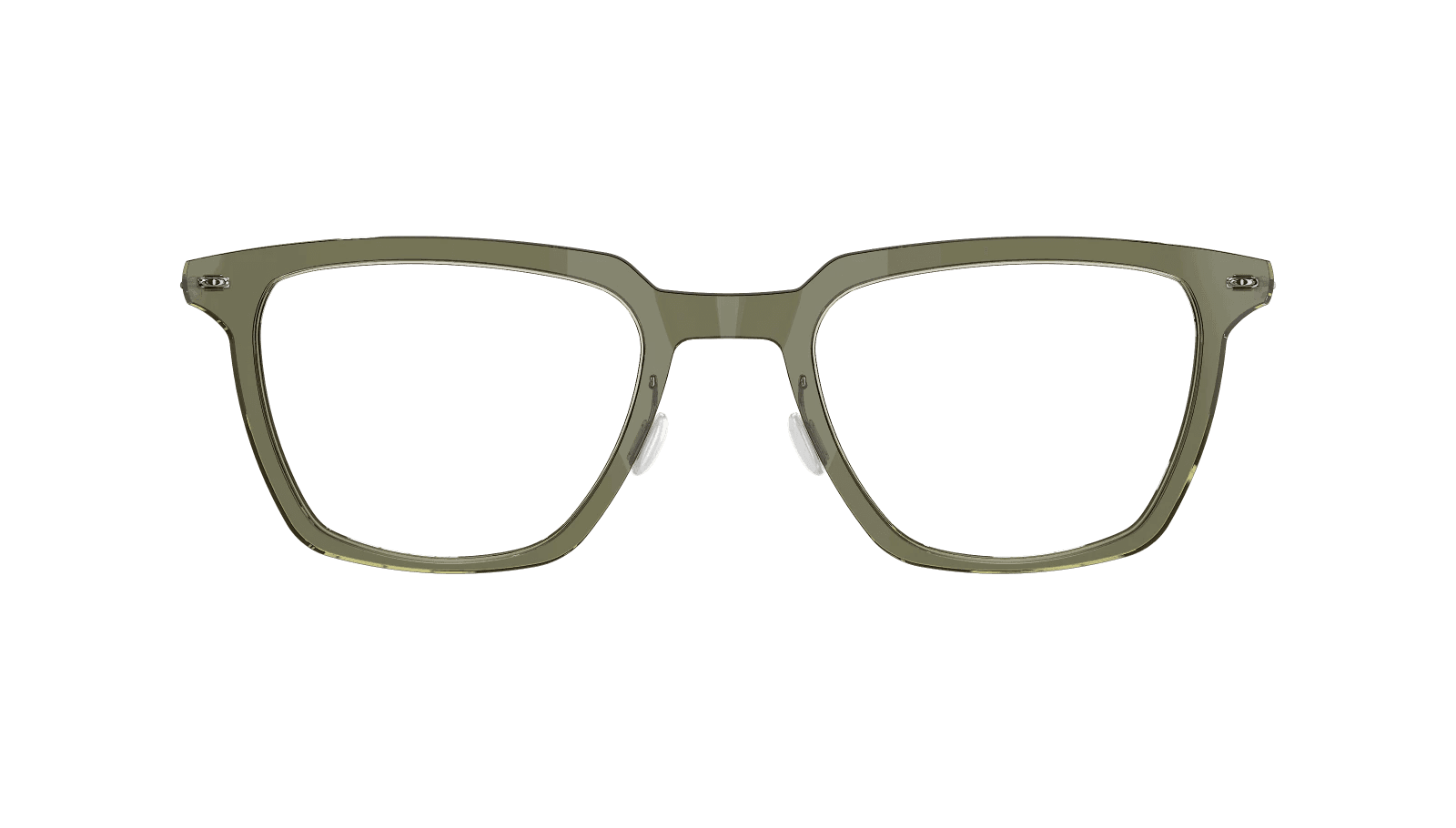
Lindberg Spotlight: Why Danish Titanium Became the Industry Benchmark
A deep look at Lindberg eyewear — the Aarhus-based brand whose screwless titanium frames weigh under 2 grams and set the standard luxury opticians measure against.

Gazal Eyewear: Where Bold Color Meets Southern Craftsmanship
Discover how this Georgia-based independent brand brings vibrant design and premium materials to the luxury eyewear scene.
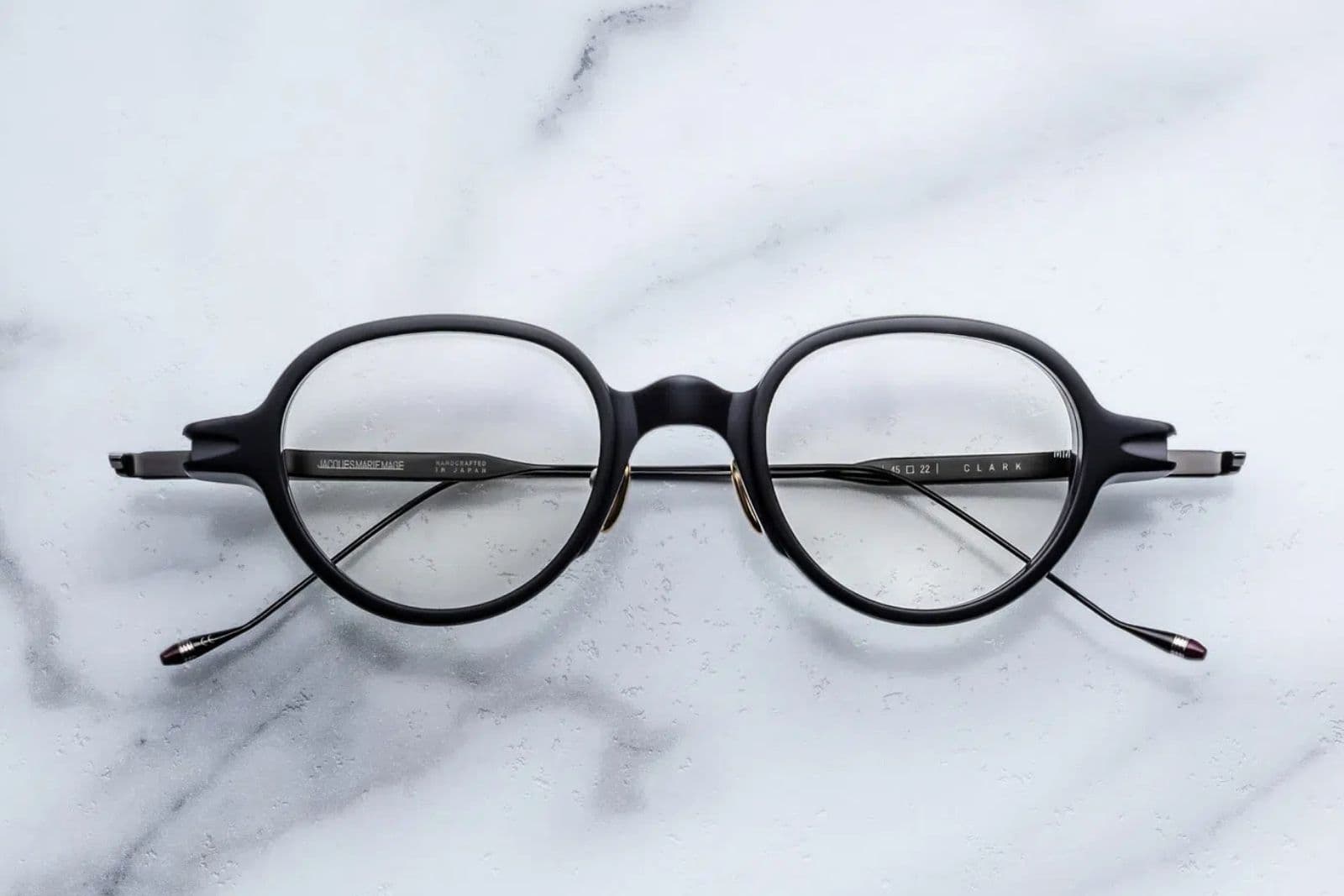
Buying Guide — Is $500+ Luxury Eyewear Actually Worth It?
A clinical-optometrist's honest guide to spending $500-$2,000 on eyewear in 2026 — what the premium actually buys, where the diminishing returns begin, and which tier is right for you.
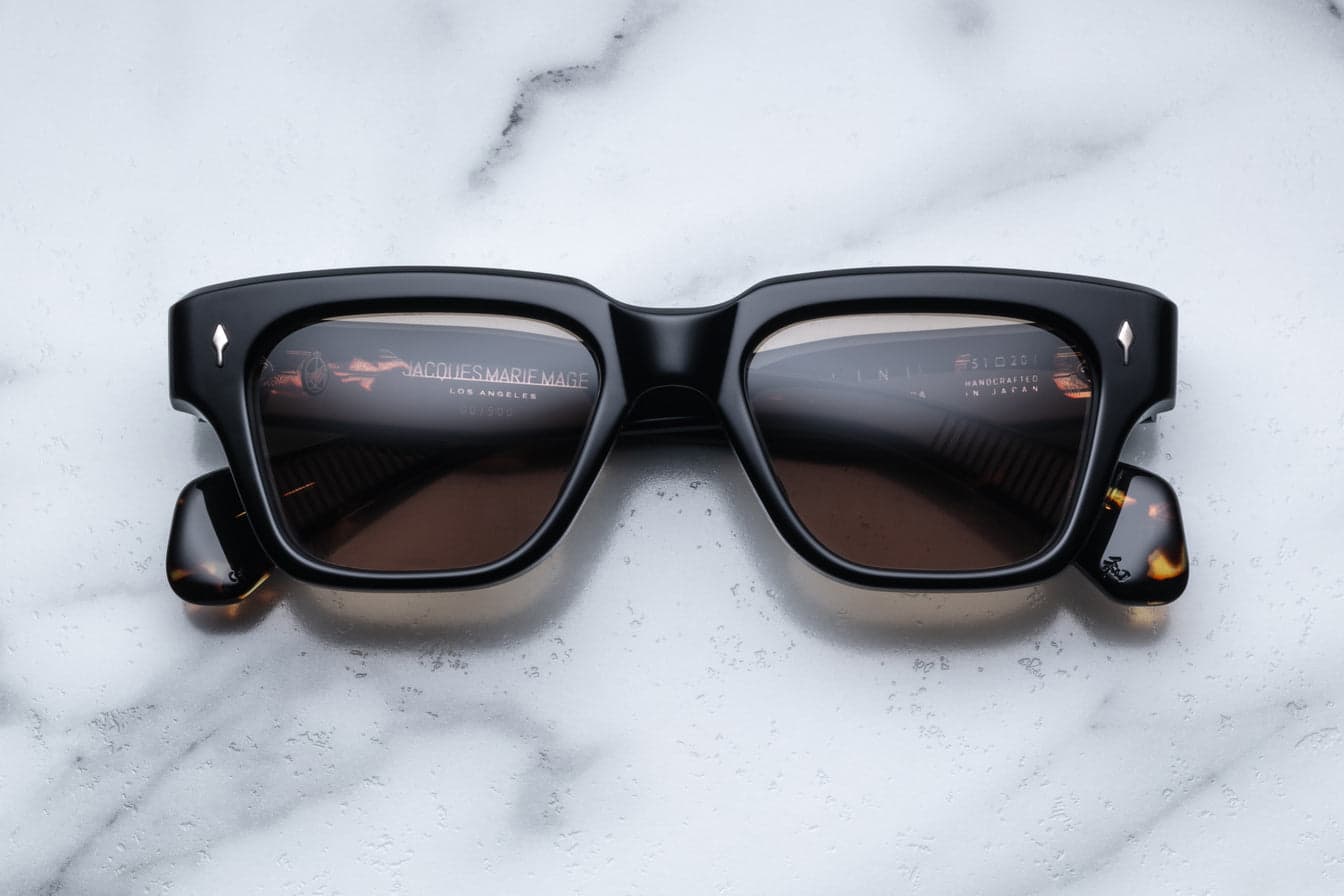
Lindberg vs Jacques Marie Mage vs DITA — The Independent Luxury Comparison
Lindberg, Jacques Marie Mage, and DITA compared head-to-head — titanium engineering, acetate rarity, and California-Japanese hybrid construction, with real prices and boutique-fitting notes.
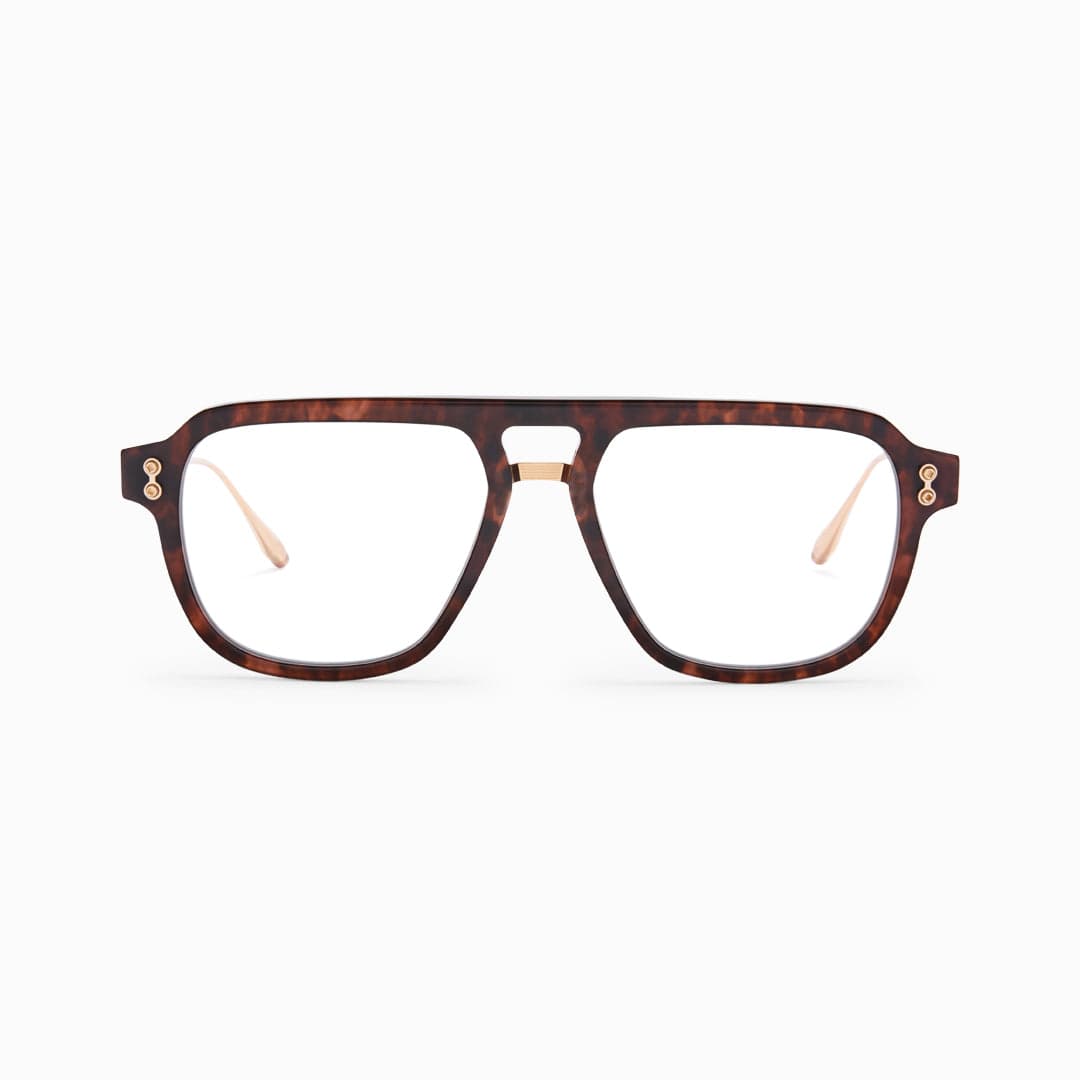
Akoni Spotlight — Quiet-Luxury Titanium from a Real Eyewear Industry Veteran
Akoni was founded in Lugano, Switzerland by Rosario Toscano (a former global managing director at DITA) and Salma Rachid. A few years in, it's quietly become a boutique-optical favorite for Japanese titanium.
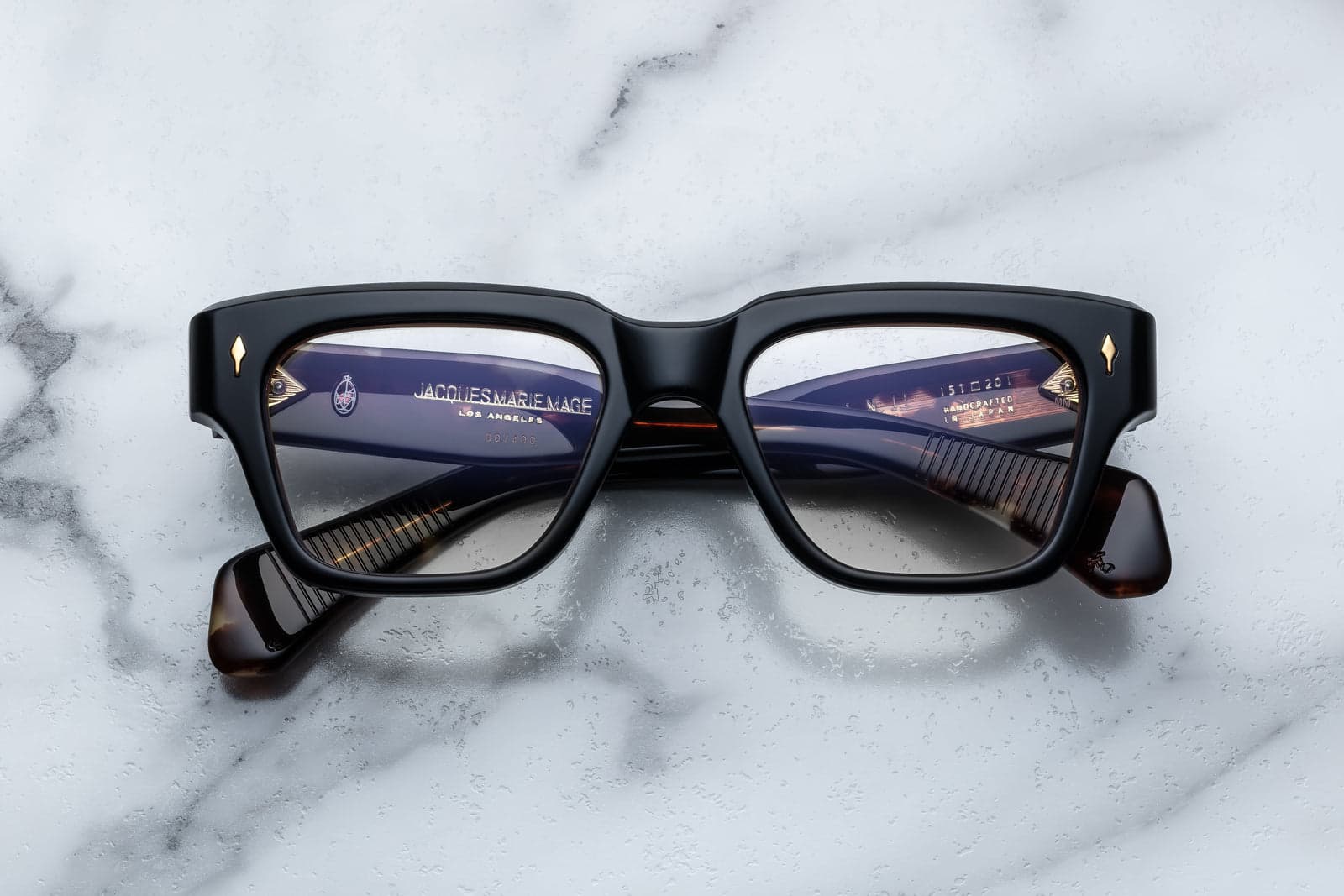
Jacques Marie Mage Glasses: Models and Prices (From $985)
Jacques Marie Mage optical frames start at $985, with core models $985-$1,385, made in limited runs. See signature models, prices and why rare ones resell.
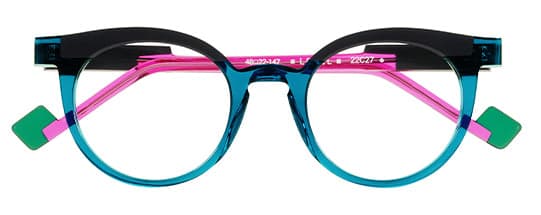
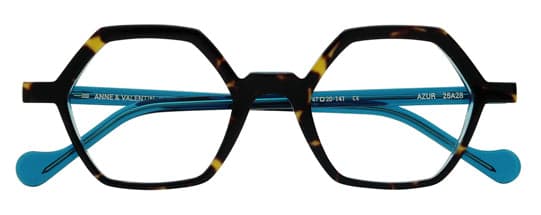
Anne et Valentin Spotlight — Toulouse Color Theory Worn Daily
Anne et Valentin has been making sculptural French acetate eyewear from Toulouse since 1984. Color combinations no other brand attempts, French Jura-region acetate, roughly $385-$715 retail.
Best Tortoise Acetate Frames for Cool-Tone Skin
Most tortoise eyewear is designed for warm-tone skin. A curated guide to tortoise frames that actually flatter cool-tone (pink, blue, or neutral-undertone) skin.
Frequently Asked Questions
Is titanium or acetate better for eyeglass frames?
Neither is categorically better — they solve different problems. Titanium is lighter, more flexible, hypoallergenic, and holds its shape over years of wear, which makes it the safer pick for daily all-day wear or sensitive skin. Acetate offers far more color and pattern depth, a warmer look, and is easier to adjust for fit, which is why most boutique color/style statement frames are acetate.
Why is titanium eyewear so much more expensive than steel or plastic frames?
Titanium is harder to machine than steel and can't be injection-molded the way acetate and plastic can — each piece is typically cut, shaped, and polished individually, which is slower and more labor-intensive. That manufacturing cost is on top of the raw material itself running several times the price of standard alloys.
Does titanium eyewear cause allergic reactions?
Rarely, and less than almost any other frame metal. Titanium is one of the most biocompatible metals used in consumer products — it's the same material used in surgical implants — which is why it's the standard recommendation for anyone who's had a reaction to nickel or other frame metals in the past.
How long does a quality acetate frame actually last?
Five to ten years of regular wear with reasonable care, and sometimes much longer — vintage acetate frames from decades ago are still wearable if the hinges were serviced. The material itself (cellulose acetate) doesn't degrade the way cheaper plastics do; failure points are almost always hinges, not the acetate itself.
Can acetate frames be adjusted for fit like metal frames?
Yes, and more easily in some ways — acetate softens slightly under gentle heat, which lets an optician reshape the temple curve or nose bridge fit without the risk of metal fatigue. It should always be done by someone experienced with it; acetate that's overheated or forced cold can crack.
Related Guides
Optical Lenses — Anti-Reflective Coatings, Progressives & Sunglass Lenses
A practitioner's guide to optical lens technology — anti-reflective coatings, progressive lens design, photochromic tints, and how the major lens brands actually compare.
Independent Eyewear Brands — Designer Spotlights & Comparisons
In-depth looks at the independent eyewear houses worth knowing — Lindberg, Jacques Marie Mage, Akoni, Chrome Hearts, and more — plus head-to-head brand comparisons.
How to Buy From an Independent Eyewear Boutique
What actually changes when you buy eyewear from an independent boutique instead of a chain — selection, fitting, pricing, and how to find a good one near you.