Guide
Optical Lenses — Anti-Reflective Coatings, Progressives & Sunglass Lenses
The lens matters more than the frame, and almost nobody shopping for eyewear is told that. Two people can buy the exact same $400 titanium frame and walk out with completely different experiences depending on the lens inside it — whether that's a well-fit progressive corridor, a coating that actually resists smudging, or a photochromic tint that activates fast enough to matter on a bright morning drive.
This is the lens hub: every guide we've published on coatings, progressive design, and photochromic technology, organized in one place. If you're trying to decide between Zeiss, Essilor, and Hoya, or you're not sure whether you need a freeform progressive or a digital one, or your last pair of Transitions never seemed to get dark enough — start here, then go deep on the specific comparison you need.
19 Articles In This Guide
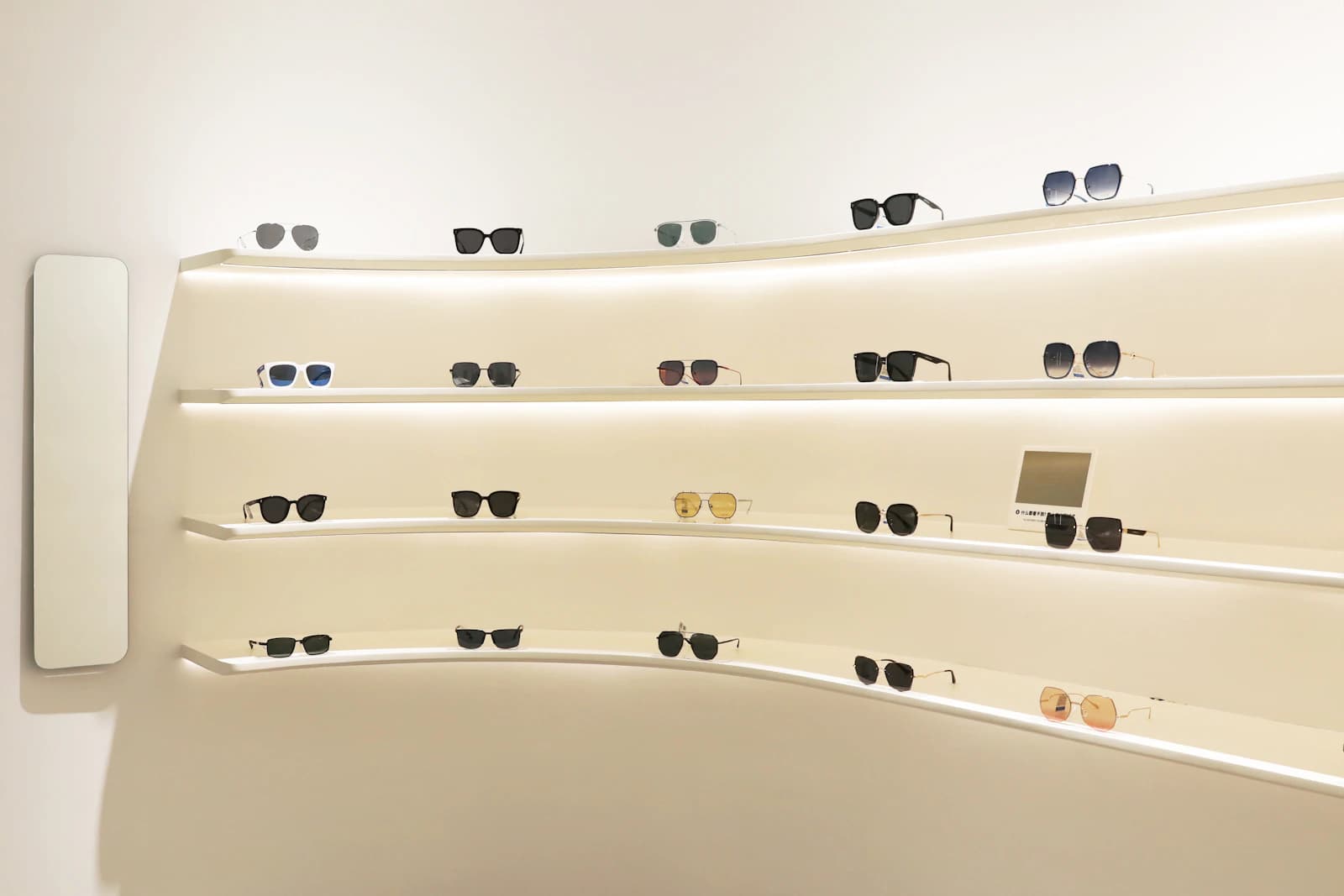
Best Luxury Sunglasses Brands of 2026: Lens-First Picks
The best luxury sunglasses brands for 2026, chosen lens first: Maui Jim for polarized glare control, Jacques Marie Mage and Akoni for frames, plus tint and VLT basics.
Transitions Gen S vs Zeiss PhotoFusion X — Which Photochromic Fades Back Faster
Zeiss PhotoFusion X activates in 20-25 seconds and fades back in 2-3 minutes, the fastest published fade time in the category. Transitions Gen S trades some of that speed for more color options. Here's how they actually compare.
Shamir vs Zeiss vs Varilux Progressives — Which One Fits Your Frame
Shamir Autograph III runs $450-$650; Zeiss Precision Pure and Varilux X Series run $600-$900 at most boutiques. Corridor options, fitting heights, and which brand actually wins for small frames.
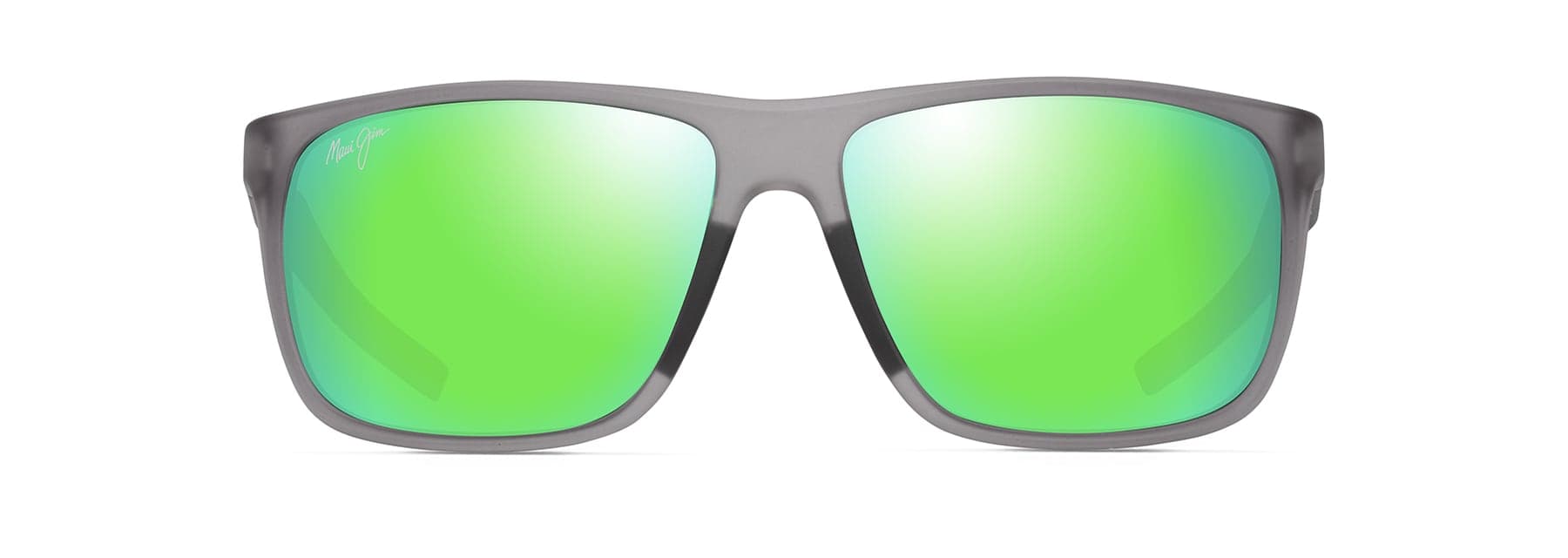
Flash Mirror vs Solid Mirror Sunglass Lenses — Which Reflectance Level Suits Your Life
Flash mirrors reflect a small share of light with eyes partially visible; solid (full) mirrors reflect much more and hide the eyes. Choosing between them comes down to activity, setting, and how much eye privacy you want.
Digital Freeform vs Standard Progressives: Worth the Upgrade?
Freeform progressives run $450-$900 and cost more than standard lenses. See what freeform really improves, who benefits most, and when standard is fine.
Anti-Fog Glasses Coating: Permanent vs Spray Explained
Permanent anti-fog coatings last the life of the lens; sprays wear off in weeks to months. Factory anti-fog adds roughly $50-$80. See who really needs one.
Rodenstock Progressives: Biometric Design at $450–$700
Rodenstock B.I.G. EXACT uses biometric eye scanning ($450–$700) — an alternative to Varilux and Zeiss for non-standard eye anatomy or failed adaptation.
Nikon vs Zeiss vs Essilor — The Overlooked Third Option in Premium Lenses
Nikon SeeMax progressives compared against Zeiss Precision Pure and Essilor Varilux X — corridor design, coatings, price, and why Nikon rarely gets mentioned in the US market.
Anti-Reflective vs Blue Light vs Photochromic Coatings
Lens coatings can make or break your eyewear experience. Here's what AR, blue light, and photochromic coatings actually do and which ones are worth it.
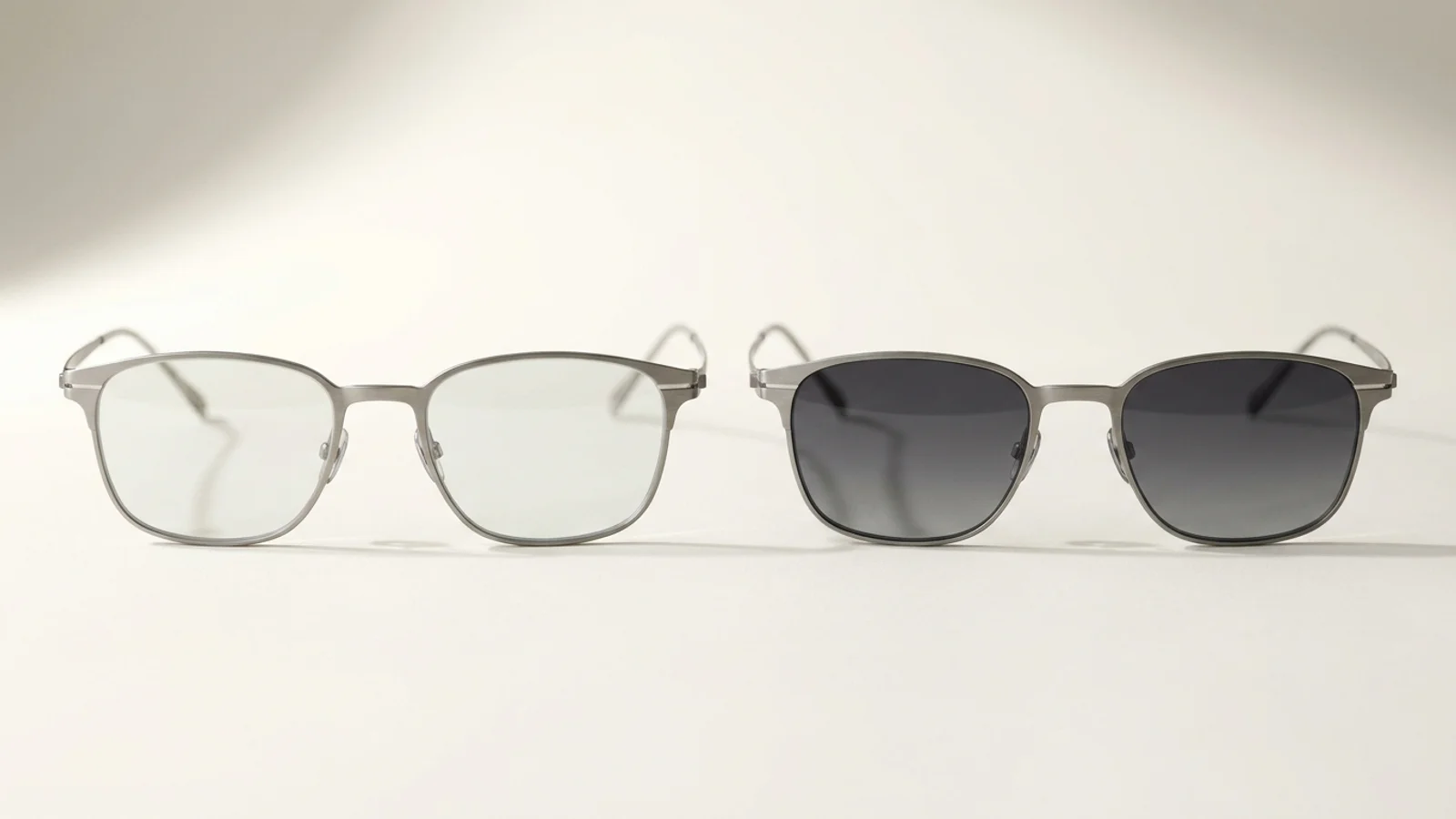
Hoya Sensity vs Transitions XTRActive — Driving, Indoor Clarity, and Which to Pick (2026)
Hoya Sensity Dark vs Transitions XTRActive compared: which darkens behind a windshield, indoor clarity, fade-back speed, colors, and real pricing — and who should buy which.

Reading Glasses vs Progressives — When It's Actually Time to Upgrade
Drugstore readers or progressive lenses? A straight-talking guide to presbyopia, lens tiers from $300 to $900, and the arms-length test that tells you when to upgrade.
Mirror Flash Coatings: Colors, Durability & Face Flattery
Mirror coatings (silver, gold, blue, green, rose) reflect part of the incoming light and last 2–3 years. Which flash color flatters your skin tone and frame.
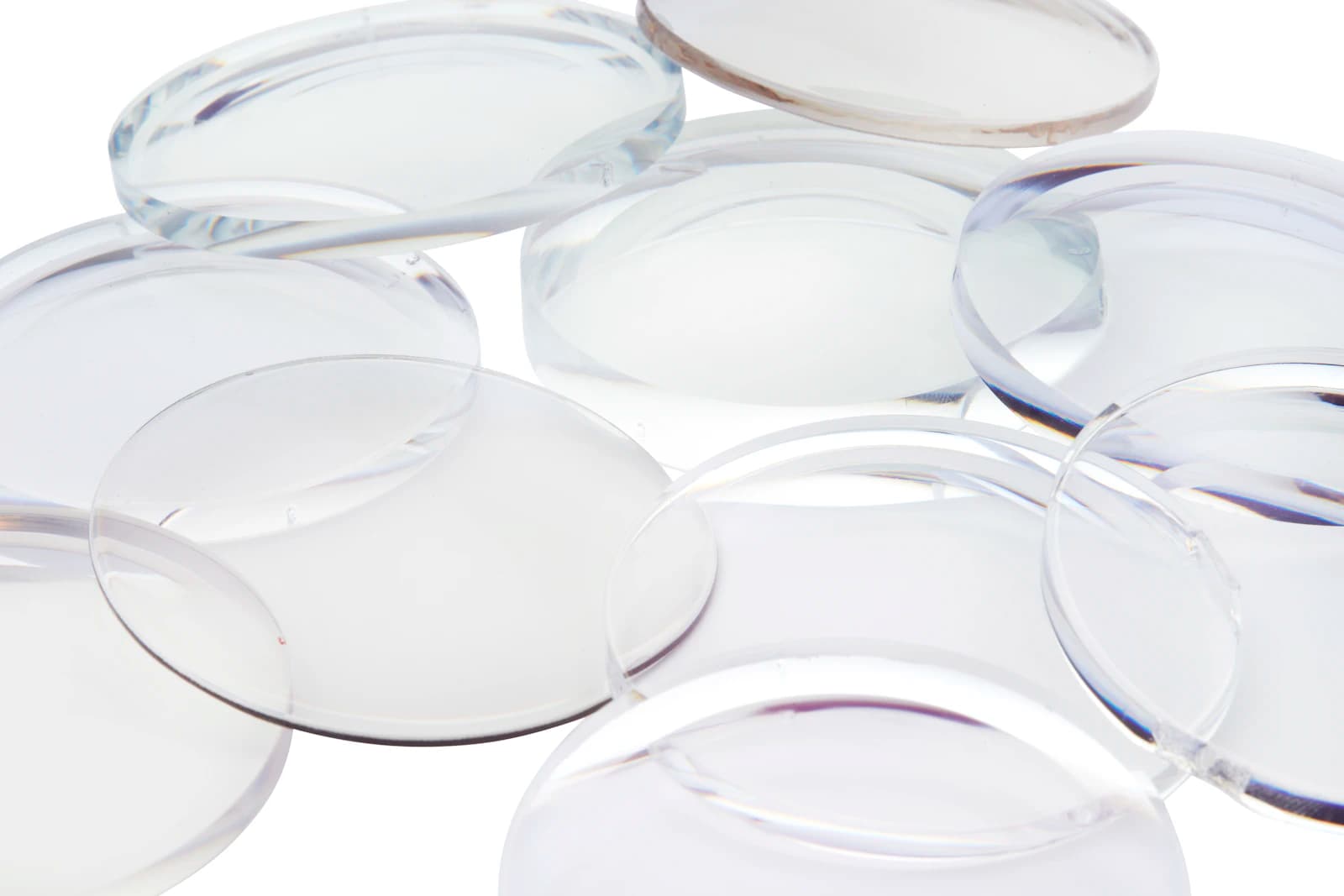
Crizal vs Varilux: Coating Not Lens — Essilor Explained
Varilux is a progressive lens ($300–$900). Crizal is a coating ($100–$200). They're separate products sold together. Here's how to read your receipt.
Photochromic Lenses: Transitions vs Sensity vs PhotoFusion
Transitions Gen 8 vs XTRActive vs Hoya Sensity vs Zeiss PhotoFusion X. Speed, fade time, windshield activation, and pricing compared.
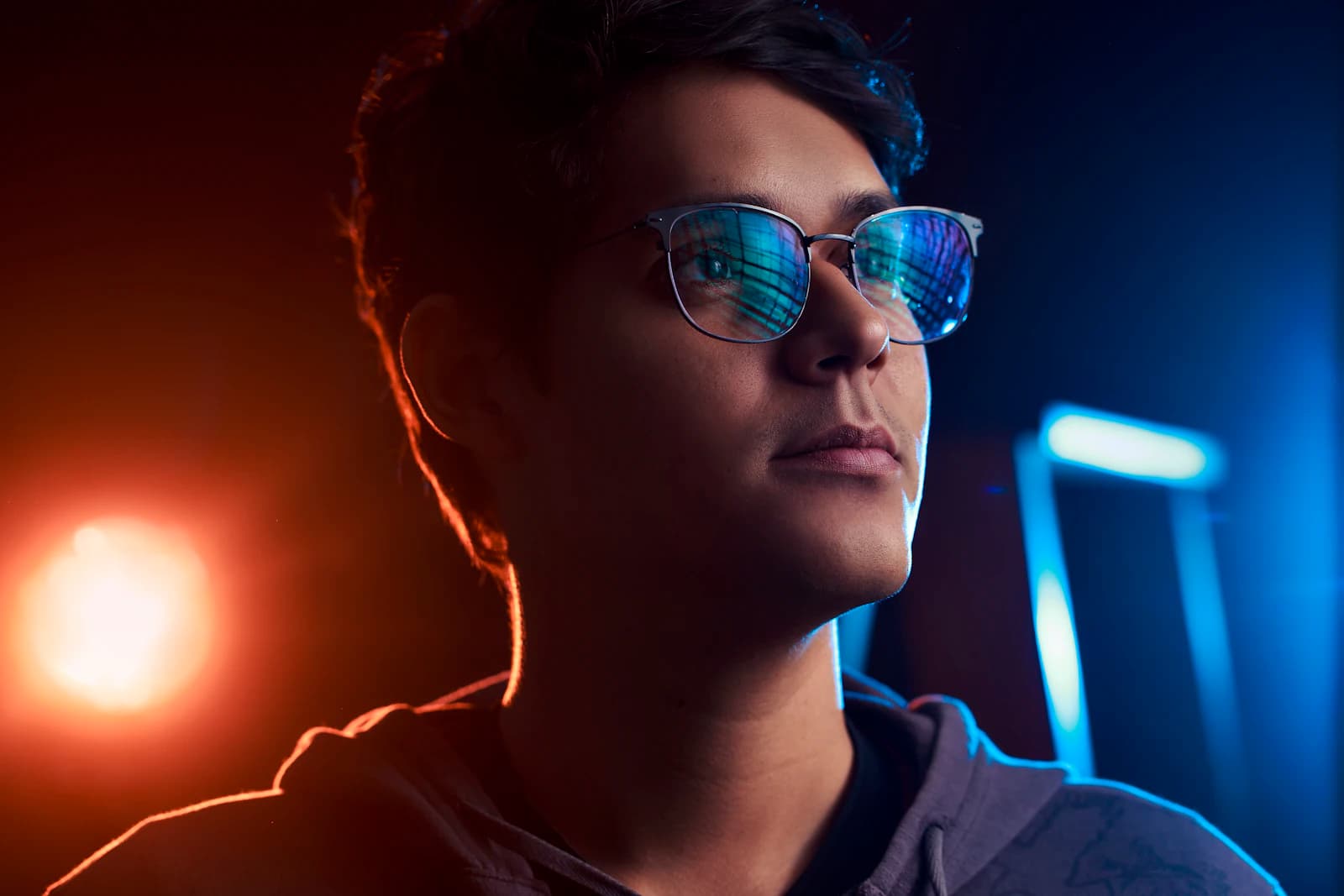
Hoya Blue Light Lenses vs Zeiss BlueGuard: Which Wins?
Zeiss BlueGuard absorbs up to about 40% of blue light. Compare Hoya Recharge and BlueGuard pricing at your optician. An optician's honest comparison and verdict.

Varilux Progressive Lenses: Price, Worth & Comparison
Varilux costs $300-$900 by tier. We break down price vs value, when it beats Shamir or Hoya, and how to spot fitting errors that get blamed on the lens.
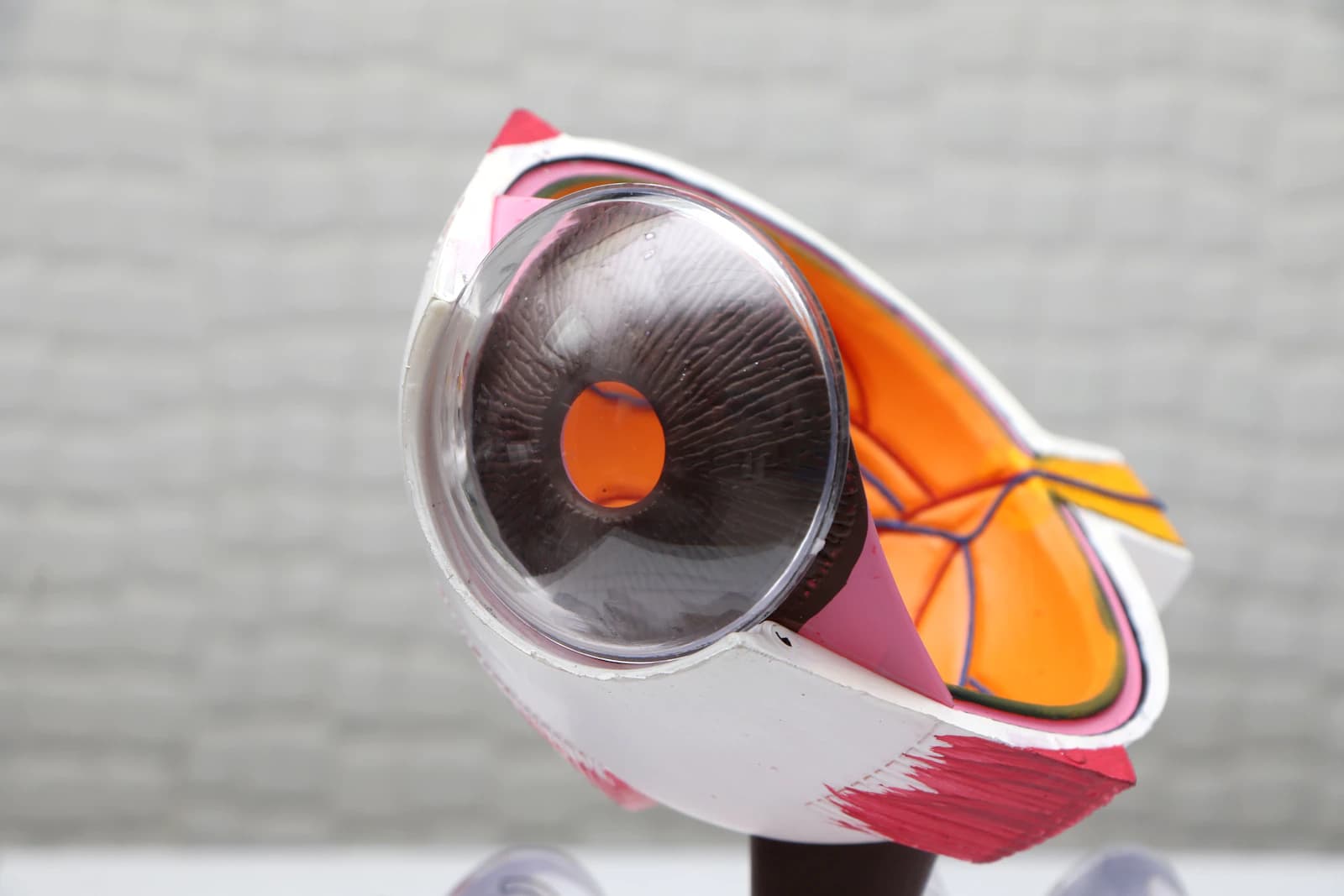
Zeiss vs Essilor vs Hoya Lenses
Zeiss, Essilor, and Hoya flagship progressives compared head-to-head — corridor lengths, coating durability, lab turnaround, and which delivers on clarity.
Shamir Progressives: $450–$650 vs Varilux & Zeiss Compared
Shamir Autograph III costs $450–$650 and matches Varilux X and Zeiss Precision Pure ($600–$900 each) in adaptation rates, often at a lower price.
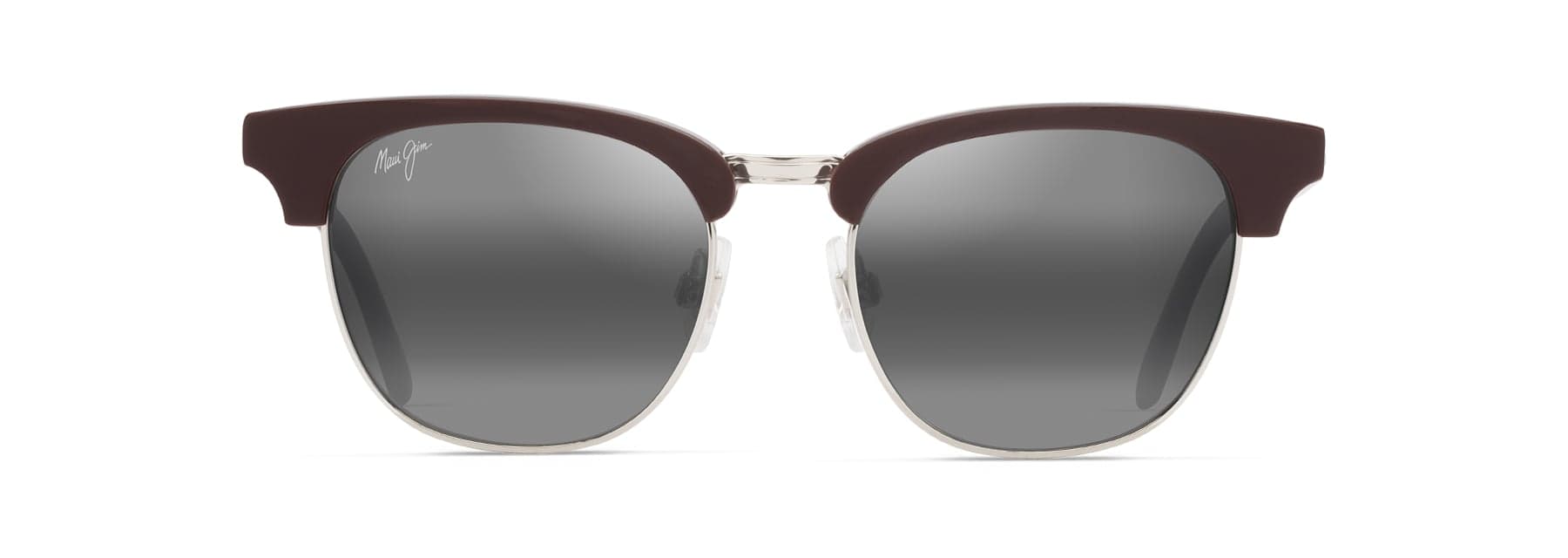
Lens Tint Pairing Guide: Colors, Density & Frame Styles
Match lens tint color and VLT density to your frame style. Grey for driving, brown for contrast, green for titanium. Complete guide with brand pairings.
Frequently Asked Questions
What's the difference between anti-reflective and anti-glare lens coatings?
They're the same thing marketed two ways. Anti-reflective (AR) coating cuts the reflections you see on the front and back of the lens surface — that's what reduces glare from headlights, screens, and overhead lighting. "Anti-glare" is just a consumer-facing name for AR coating; there's no separate technology behind it.
How long does a premium AR coating actually last?
Three to four years of daily wear with reasonable care — microfiber cloth only, never a shirt-tail or paper towel. Premium coatings like Crizal Sapphire HR and DuraVision Platinum carry two-year manufacturer warranties against delamination, but real lifespan depends entirely on cleaning habits.
Do I need a digital or freeform progressive lens?
Nearly every progressive sold today is freeform-surfaced — it's the manufacturing method, not a premium tier. "Digital" and "freeform" describe the same surfacing process. What actually varies between brands is the software behind it: corridor width, how it accounts for your specific frame tilt and vertex distance, and how it handles eye-dominance asymmetry.
Why don't my Transitions lenses get as dark as I expected?
Two likely reasons: UV exposure and temperature. Photochromic lenses activate from UV light, so they darken less behind a car windshield (which blocks most UV) and less in hot weather, since heat slows the reaction. If you need consistent darkening in a car, ask about a faster-activating option like Transitions XTRActive rather than the standard formula.
Is it worth paying more for a flagship progressive lens?
Depends on your prescription. If it's simple — under -3.00 sphere, under -1.00 cylinder — and you're a first-time progressive wearer, a mid-tier lens is usually fine. Flagship lenses earn their premium on complex prescriptions, asymmetric eye dominance, or wearers who've already failed to adapt to a cheaper lens.
My new progressives make me dizzy — is that the lens brand's fault?
Almost always a fit issue, not a lens issue. Pantoscopic tilt, vertex distance, and segment height all have to be measured precisely at fitting. If any of those were skipped or estimated, the progressive corridor lands in the wrong spot relative to your pupil. Ask your optician to re-measure before assuming the lens itself is wrong for you.
Related Guides
Titanium vs. Acetate — A Guide to Luxury Eyewear Frame Materials
What actually separates titanium, acetate, and the boutique brands built around each — weight, durability, color depth, and how to choose the right material for your face and lifestyle.
How to Buy From an Independent Eyewear Boutique
What actually changes when you buy eyewear from an independent boutique instead of a chain — selection, fitting, pricing, and how to find a good one near you.
Independent Eyewear Brands — Designer Spotlights & Comparisons
In-depth looks at the independent eyewear houses worth knowing — Lindberg, Jacques Marie Mage, Akoni, Chrome Hearts, and more — plus head-to-head brand comparisons.