
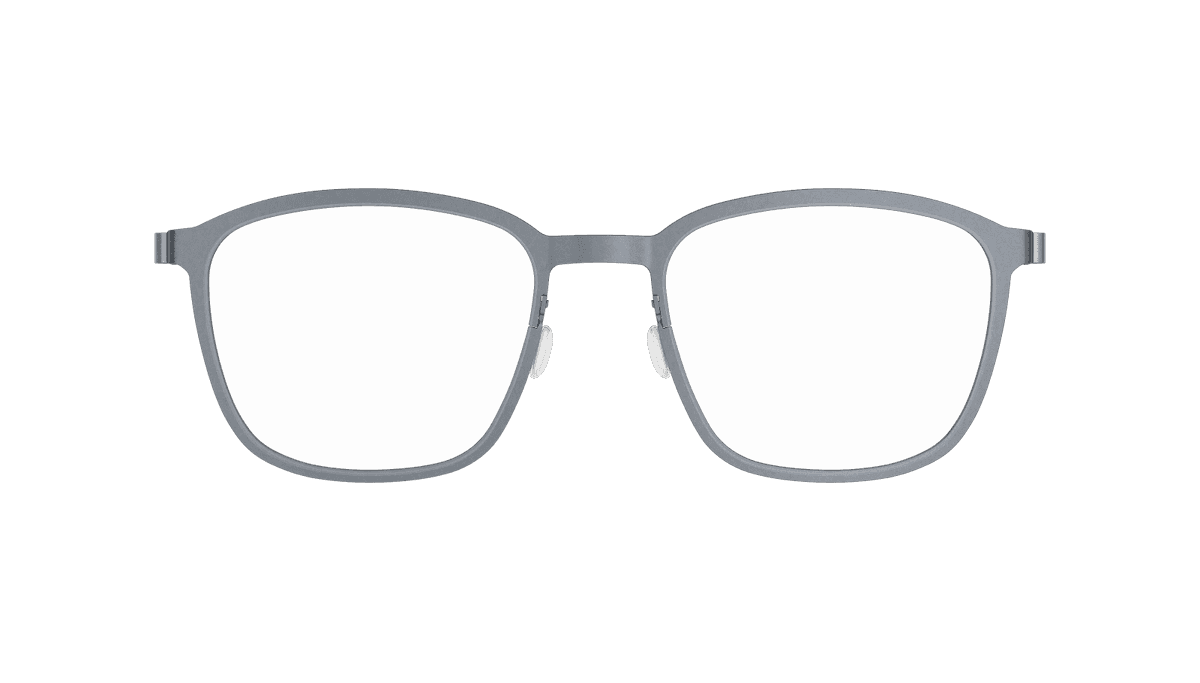
When you move past the world of generic metal and injection-molded plastic, two materials dominate the premium eyewear conversation: titanium and acetate. Both are excellent. Neither is universally "better." The right choice depends on your face, your lifestyle, and what you want your glasses to do for you.
This guide breaks down the real differences — not the marketing copy — so you can make a confident decision the next time you are choosing frames.
Titanium: The Featherweight Performer
Titanium entered the eyewear world in the 1980s and quickly became the material of choice for people who wanted frames they could forget they were wearing. Its defining characteristics are:
Weight: Titanium is roughly 40% lighter than standard stainless steel. A full-rim titanium frame typically weighs between 10 and 18 grams, which is noticeable the moment you put them on — especially if you are coming from heavier acetate or metal frames.
Strength: Pound for pound, titanium is stronger than steel. It resists bending and holds its shape over years of daily wear. If you are rough on your glasses — tossing them in bags, sitting on them occasionally — titanium forgives more than almost any other material.
Hypoallergenic properties: Pure titanium is nickel-free, making it a safe choice for anyone with metal sensitivities. This is not true of all "titanium" frames, however. Some brands use titanium alloys that include nickel, so if allergies are a concern, look for frames marketed as pure or beta titanium.
Corrosion resistance: Titanium does not corrode from sweat, salt water, or the oils on your skin. For active lifestyles or humid climates, this matters more than most people realize until their third pair of corroded metal frames.
The Gold Standard: Lindberg
When discussing titanium eyewear, Lindberg deserves a mention. The Danish brand has spent decades refining titanium frame construction, producing rimless and semi-rimless designs that weigh as little as 1.9 grams. Their strip titanium and spirit titanium collections are benchmarks for minimalist eyewear engineering. If "invisible on the face" is your goal, Lindberg is the reference point.
Acetate: The Expressive Choice
Acetate frames have been around since the mid-20th century, and they remain the preferred material for anyone who wants their glasses to make a visual statement. Here is what sets acetate apart:
Color and pattern depth: Unlike painted or coated frames, quality acetate — particularly premium Italian acetate used by brands like Gazal Eyewear — has color that runs through the entire material. Tortoise shell patterns, layered color combinations, and translucent effects are all possible because of how acetate sheets are constructed from layered cotton-fiber stock.
Warmth and texture: Acetate feels warmer against the skin than metal. It does not conduct cold the way titanium does, which is a small but real comfort factor in colder climates. The material also has a slight flexibility that allows it to conform to your face shape over time.
Adjustability: A skilled optician can heat-adjust acetate frames to fine-tune the fit. Temples can be curved tighter or looser, nose bridges can be reshaped, and frame fronts can be adjusted for tilt. This makes acetate particularly forgiving for patients who need a customized fit.
Style range: Acetate handles bold shapes well. Oversized cat-eyes, thick rectangular frames, round statement pieces — these designs work in acetate because the material has enough substance to hold the shape without looking flimsy. Gazal Eyewear leans into this strength with their collection, offering frame shapes and color combinations that you will not find from the mass-market brands.
The Tradeoffs
Acetate frames are heavier than titanium, typically ranging from 25 to 40 grams depending on the size and thickness. For some wearers this is a non-issue. For others — particularly people who wear glasses 16 hours a day — the weight difference adds up.
Acetate can also be affected by extreme heat. Leaving acetate frames on a car dashboard in July can cause warping. And while durable, acetate does not have the spring-back memory of titanium; if you bend an acetate temple too far, it may crack rather than flex back.
Head-to-Head Comparison
| Factor | Titanium | Acetate |
|---|---|---|
| Weight | 10-18g (very light) | 25-40g (moderate) |
| Durability | Excellent flex memory | Good, but can crack under stress |
| Color options | Limited (usually solid colors) | Extensive (layered, patterned, translucent) |
| Adjustability | Limited (requires special tools) | Highly adjustable with heat |
| Hypoallergenic | Yes (pure titanium) | Yes (nickel-free) |
| Temperature | Conducts cold | Stays warm |
| Best for | Minimalists, active lifestyles, all-day wear | Style-forward wearers, face-shape correction |
| Price range | $$$ to $$$$ | $$ to $$$ |
Who Should Choose Titanium?
Titanium is the right call if you prioritize:
- Ultralight comfort for extended wear
- Minimalist aesthetics — you want your face, not your frames, to be the focus
- Active lifestyle durability — sports, travel, physical jobs
- Metal sensitivity — you have had reactions to other frame materials
- Low maintenance — you want frames you can largely ignore
Who Should Choose Acetate?
Acetate is the right call if you prioritize:
- Color and personality — you want frames that express something
- Bold shapes — oversized, cat-eye, thick-rimmed styles
- Custom fit — your optician can heat-adjust to your exact face shape
- Progressive lens compatibility — wider acetate frames tend to offer larger lens areas for progressive wearers
- Warmth — literally and aesthetically
Can You Have Both?
Yes. Many people maintain two pairs: a lightweight titanium frame for work and daily driving, and a statement acetate pair for social settings or when they want to switch up their look. Some brands also produce combination frames that use titanium temples with acetate fronts, giving you a blend of both material advantages.
Making Your Choice
The best approach is to try both materials on your face. The specs on paper only tell part of the story. Weight, balance, and how a frame sits on your particular nose bridge and behind your ears — these things vary person to person.
You can explore titanium options from brands like Lindberg alongside Gazal Eyewear's Italian acetate collection at The View Eyewear, or visit shop.gazaleyecare.com to see the full Gazal lineup. If you are local to the Atlanta area, an in-person fitting at Gazal Eyecare will let you compare both materials side by side with expert guidance.
If a progressive lens is going into that frame, the frame material matters less than the lens design underneath it — see digital freeform vs standard progressives for what actually drives day-to-day comfort.
Whatever you choose, investing in a quality material is the single best decision you can make for comfort, durability, and long-term value in your eyewear.
Newsletter
Independent eyewear, in your inbox
Monthly stories on the world's finest independent eyewear brands and boutiques.
Related Reading
Best Titanium Frames Under $1,000 — Where Luxury Actually Begins
The honest map of titanium eyewear under $1,000: four brands that deliver real titanium between roughly $400-$950, one steel alternative, plus the price tiers to skip.
Buying Guide — Is $500+ Luxury Eyewear Actually Worth It?
A clinical-optometrist's honest guide to spending $500-$2,000 on eyewear in 2026 — what the premium actually buys, where the diminishing returns begin, and which tier is right for you.
Lindberg vs Jacques Marie Mage vs DITA — The Independent Luxury Comparison
Lindberg, Jacques Marie Mage, and DITA compared head-to-head — titanium engineering, acetate rarity, and California-Japanese hybrid construction, with real prices and boutique-fitting notes.
Comments
0 comments · moderated
No comments yet. Be the first to weigh in.