Topic
Lens Technology
19 articles on lens technology from The View Eyewear.
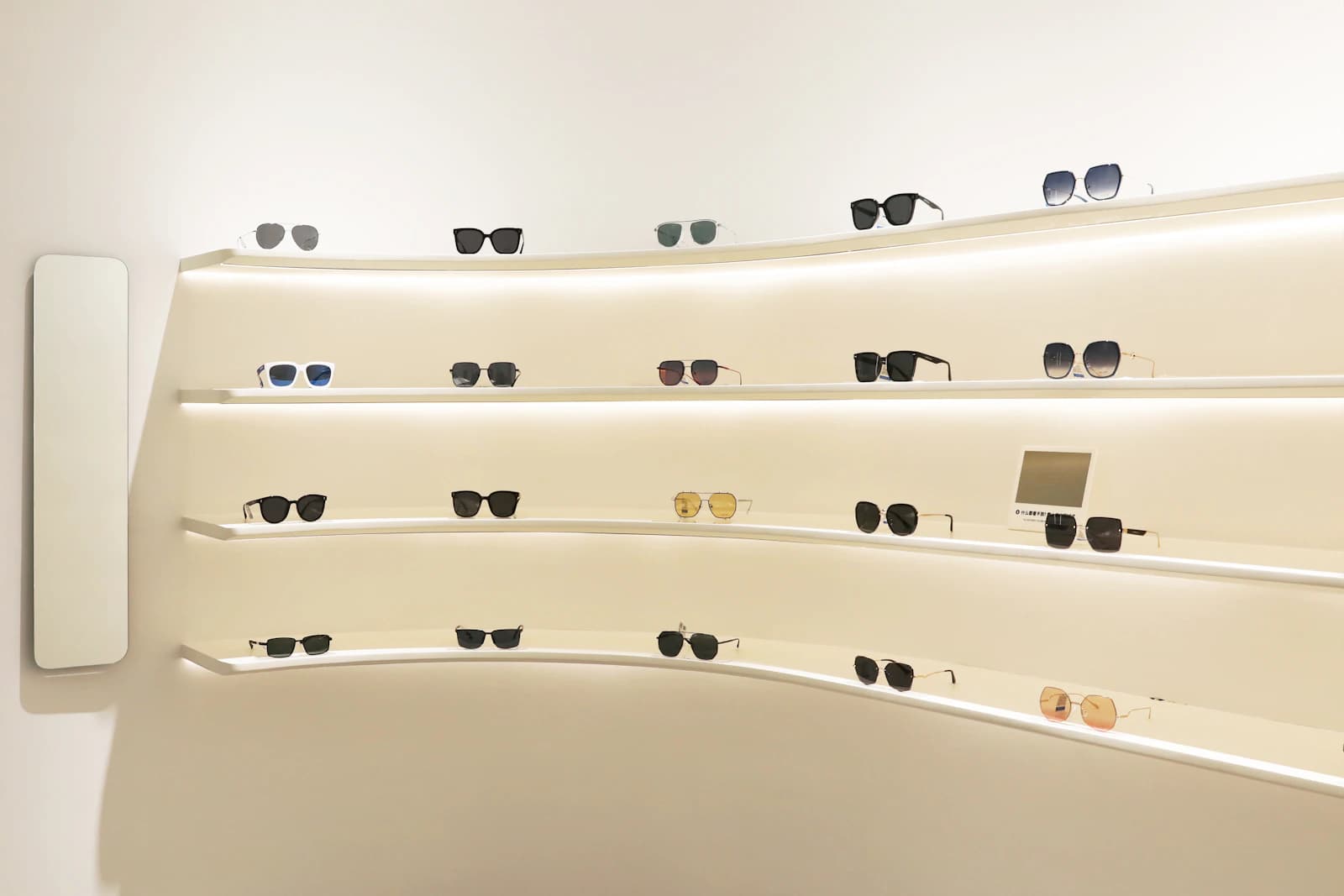
Best Luxury Sunglasses Brands of 2026: Lens-First Picks
The best luxury sunglasses brands for 2026, chosen lens first: Maui Jim for polarized glare control, Jacques Marie Mage and Akoni for frames, plus tint and VLT basics.
Transitions Gen S vs Zeiss PhotoFusion X — Which Photochromic Fades Back Faster
Zeiss PhotoFusion X activates in 20-25 seconds and fades back in 2-3 minutes, the fastest published fade time in the category. Transitions Gen S trades some of that speed for more color options. Here's how they actually compare.
Shamir vs Zeiss vs Varilux Progressives — Which One Fits Your Frame
Shamir Autograph III runs $450-$650; Zeiss Precision Pure and Varilux X Series run $600-$900 at most boutiques. Corridor options, fitting heights, and which brand actually wins for small frames.
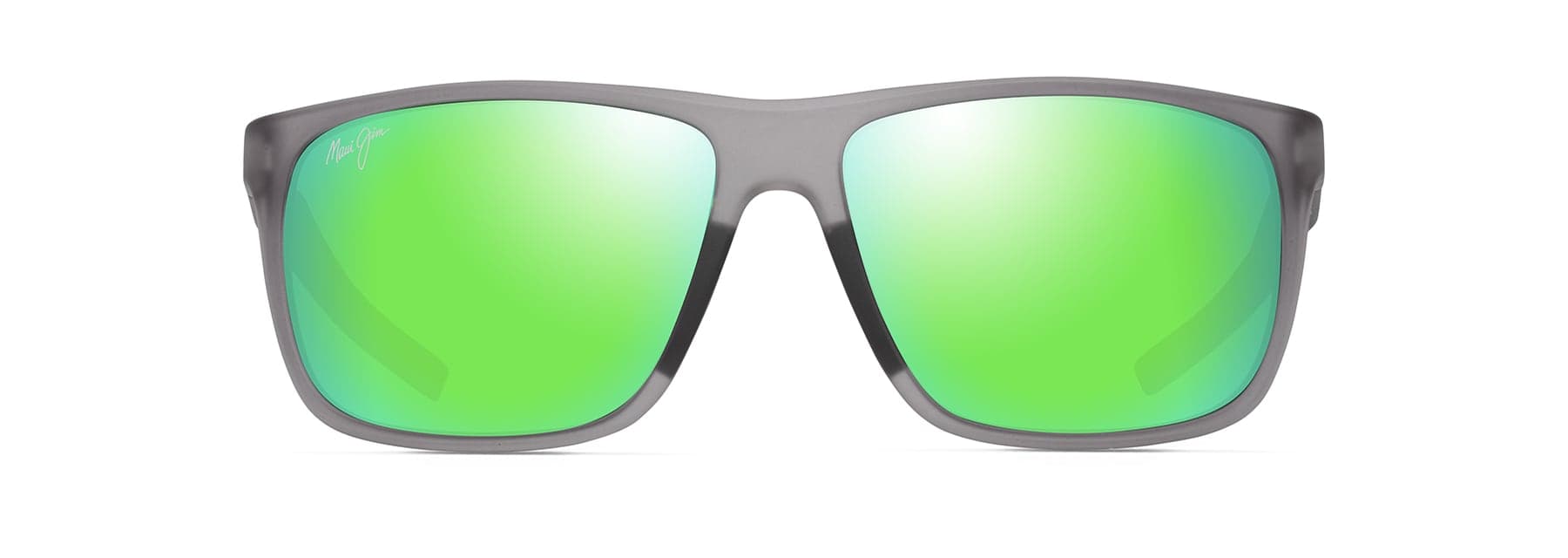
Flash Mirror vs Solid Mirror Sunglass Lenses — Which Reflectance Level Suits Your Life
Flash mirrors reflect a small share of light with eyes partially visible; solid (full) mirrors reflect much more and hide the eyes. Choosing between them comes down to activity, setting, and how much eye privacy you want.
Digital Freeform vs Standard Progressives: Worth the Upgrade?
Freeform progressives run $450-$900 and cost more than standard lenses. See what freeform really improves, who benefits most, and when standard is fine.
Anti-Fog Glasses Coating: Permanent vs Spray Explained
Permanent anti-fog coatings last the life of the lens; sprays wear off in weeks to months. Factory anti-fog adds roughly $50-$80. See who really needs one.
Rodenstock Progressives: Biometric Design at $450–$700
Rodenstock B.I.G. EXACT uses biometric eye scanning ($450–$700) — an alternative to Varilux and Zeiss for non-standard eye anatomy or failed adaptation.
Nikon vs Zeiss vs Essilor — The Overlooked Third Option in Premium Lenses
Nikon SeeMax progressives compared against Zeiss Precision Pure and Essilor Varilux X — corridor design, coatings, price, and why Nikon rarely gets mentioned in the US market.
Anti-Reflective vs Blue Light vs Photochromic Coatings
Lens coatings can make or break your eyewear experience. Here's what AR, blue light, and photochromic coatings actually do and which ones are worth it.
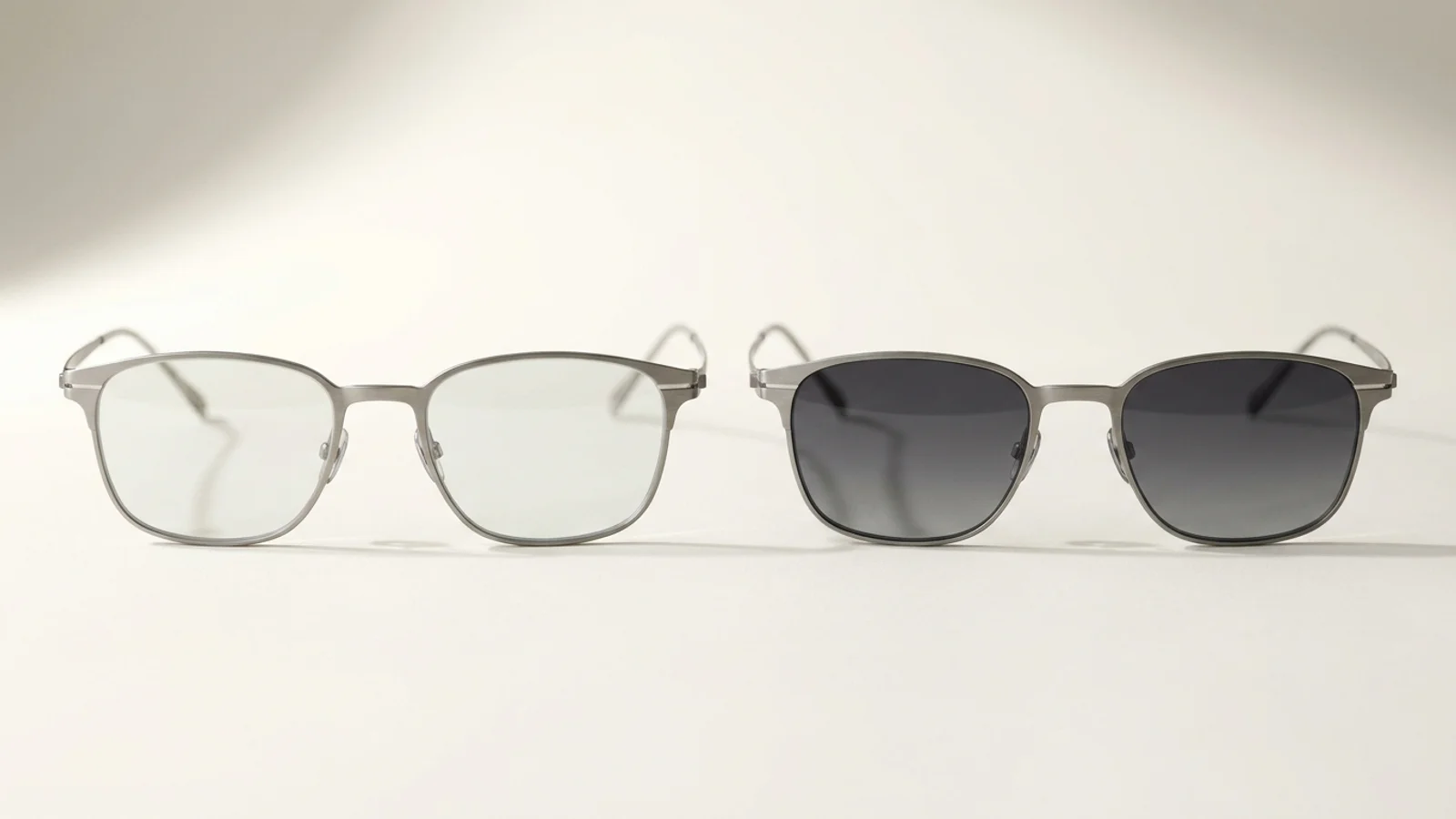
Hoya Sensity vs Transitions XTRActive — Driving, Indoor Clarity, and Which to Pick (2026)
Hoya Sensity Dark vs Transitions XTRActive compared: which darkens behind a windshield, indoor clarity, fade-back speed, colors, and real pricing — and who should buy which.

Reading Glasses vs Progressives — When It's Actually Time to Upgrade
Drugstore readers or progressive lenses? A straight-talking guide to presbyopia, lens tiers from $300 to $900, and the arms-length test that tells you when to upgrade.
Mirror Flash Coatings: Colors, Durability & Face Flattery
Mirror coatings (silver, gold, blue, green, rose) reflect part of the incoming light and last 2–3 years. Which flash color flatters your skin tone and frame.
Crizal vs Varilux: Coating Not Lens — Essilor Explained
Varilux is a progressive lens ($300–$900). Crizal is a coating ($100–$200). They're separate products sold together. Here's how to read your receipt.
Photochromic Lenses: Transitions vs Sensity vs PhotoFusion
Transitions Gen 8 vs XTRActive vs Hoya Sensity vs Zeiss PhotoFusion X. Speed, fade time, windshield activation, and pricing compared.
Hoya Blue Light Lenses vs Zeiss BlueGuard: Which Wins?
Zeiss BlueGuard absorbs up to about 40% of blue light. Compare Hoya Recharge and BlueGuard pricing at your optician. An optician's honest comparison and verdict.

Varilux Progressive Lenses: Price, Worth & Comparison
Varilux costs $300-$900 by tier. We break down price vs value, when it beats Shamir or Hoya, and how to spot fitting errors that get blamed on the lens.
Zeiss vs Essilor vs Hoya Lenses
Zeiss, Essilor, and Hoya flagship progressives compared head-to-head — corridor lengths, coating durability, lab turnaround, and which delivers on clarity.
Shamir Progressives: $450–$650 vs Varilux & Zeiss Compared
Shamir Autograph III costs $450–$650 and matches Varilux X and Zeiss Precision Pure ($600–$900 each) in adaptation rates, often at a lower price.
Lens Tint Pairing Guide: Colors, Density & Frame Styles
Match lens tint color and VLT density to your frame style. Grey for driving, brown for contrast, green for titanium. Complete guide with brand pairings.